Home / Technology / RGB LED TVs: The Future That's Falling Behind?
RGB LED TVs: The Future That's Falling Behind?
17 Jul
Summary
- RGB LED TVs boast vibrant colors, rivaling OLED in some tests.
- High prices and muted real-world performance hinder RGB LED adoption.
- OLED's superior contrast remains a key advantage over RGB LED.
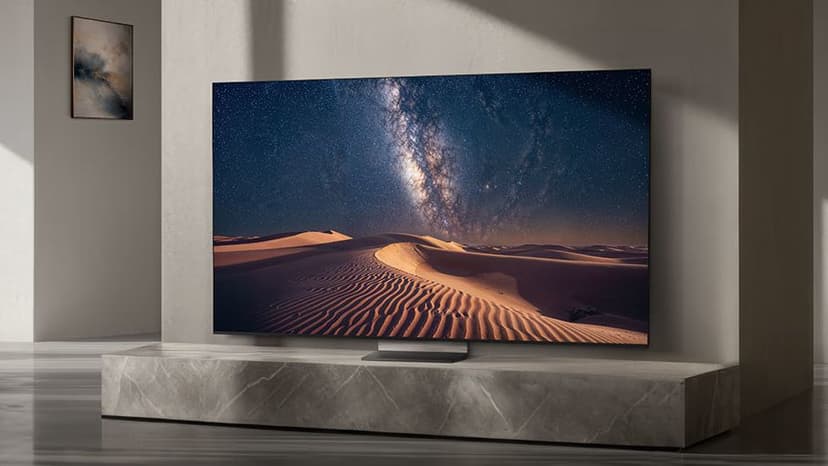
In 2026, RGB LED TVs were anticipated to revolutionize the market, with major manufacturers like Samsung, Hisense, and Sony releasing new models. These sets were engineered for enhanced color and brightness. Initial evaluations confirmed their impressive color gamut coverage, with some models exceeding OLED performance in specific color space metrics.
However, real-world viewing experiences have revealed limitations. RGB LED TVs can sometimes present HDR content as muted or washed out. Issues like color crosstalk, where colors bleed between adjacent image elements, also detract from the viewing experience. These performance quirks mean that despite their technical merits, RGB LED TVs are not yet eclipsing OLED.
The premium pricing of RGB LED models is another major hurdle. With flagship versions costing thousands, consumers are often comparing them to top-tier OLEDs. While OLEDs may be more expensive, their consistent, superior contrast and perfect black levels, enabled by self-emissive pixels, offer a distinct visual advantage that RGB LED's backlight-dependent technology cannot match.
Despite these challenges, the Sony Bravia 9 II is noted as a potential contender, leveraging Sony's advanced picture processing. Nevertheless, the current high cost and performance considerations suggest OLED will likely remain the preferred choice for many discerning consumers in the near future.


