feedzop-word-mark-logo
searchLogin
Feedzop
homeFor YouUnited StatesUnited States
You
bookmarksYour BookmarkshashtagYour Topics
Trending
Terms of UsePrivacy PolicyAboutJobsPartner With Us

© 2026 Advergame Technologies Pvt. Ltd. ("ATPL"). Gamezop ® & Quizzop ® are registered trademarks of ATPL.

Gamezop is a plug-and-play gaming platform that any app or website can integrate to bring casual gaming for its users. Gamezop also operates Quizzop, a quizzing platform, that digital products can add as a trivia section.

Over 5,000 products from more than 70 countries have integrated Gamezop and Quizzop. These include Amazon, Samsung Internet, Snap, Tata Play, AccuWeather, Paytm, Gulf News, and Branch.

Games and trivia increase user engagement significantly within all kinds of apps and websites, besides opening a new stream of advertising revenue. Gamezop and Quizzop take 30 minutes to integrate and can be used for free: both by the products integrating them and end users

Increase ad revenue and engagement on your app / website with games, quizzes, astrology, and cricket content. Visit: business.gamezop.com

Property Code: 5571

Home / Technology / QR Codes: Your New Phishing Threat?

QR Codes: Your New Phishing Threat?

9 Feb

•

Summary

  • QR codes are increasingly used in scams called 'quishing'.
  • Up to 26 million people may have been victims of QR code scams.
  • Scammers use QR codes in physical and digital fraud tactics.
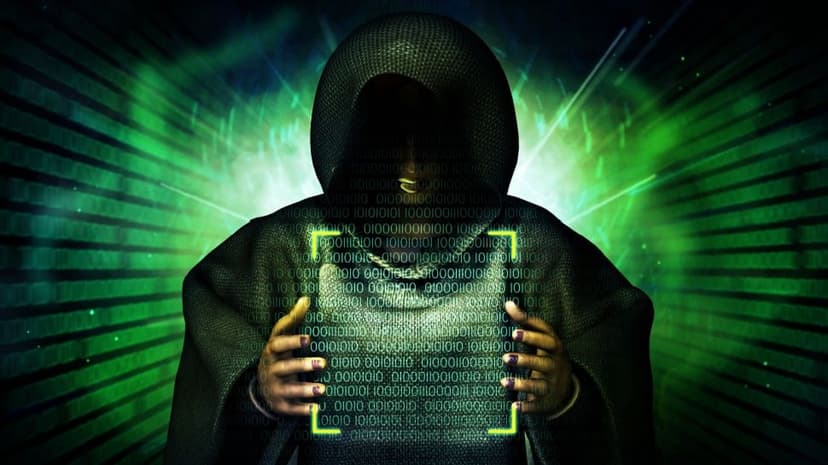
QR Codes: Your New Phishing Threat?

QR codes, ubiquitous in daily transactions, have become a potent tool for cybercriminals engaging in 'quishing' scams. These scams exploit the inherent trust associated with physical QR codes, leading to potential financial fraud and data theft. Alarming reports suggest that as many as 26 million individuals might have been ensnared by malicious QR codes.

Fraudsters have adapted, integrating these 2D barcodes into both physical and digital schemes. Examples include fake payment QR codes in parking lots and deceptive e-commerce tactics like 'brushing,' where recipients are lured with nonexistent rewards. Some scams use emotionally manipulative tactics, promising proof of infidelity.

Cybersecurity experts note that 26% of all malicious links are now found within QR codes. While essential security measures like VPNs can help, users must remain vigilant. Experts advise treating unexpected QR codes with suspicion, verifying the sender, previewing URLs for suspicious activity, and keeping security software active to mitigate these evolving threats.

Disclaimer: This story has been auto-aggregated and auto-summarised by a computer program. This story has not been edited or created by the Feedzop team.
'Quishing' scams use QR codes to trick people into financial fraud or data theft, often exploiting the trust associated with these codes.
Reports suggest that up to 26 million people could have been lured into phishing scams by clicking malicious QR codes.
Treat unexpected QR codes with suspicion, verify the sender, preview URLs, and keep security software active to avoid becoming a victim.

Read more news on

Technologyside-arrow
trending

Salesforce lays off 1000

trending

India US trade tariffs slashed

trending

Margot Robbie's Wuthering Heights panned

trending

CBSE board exams: key details

trending

Jana Nayagan movie court case

trending

Dhakshineswar Suresh Davis Cup hero

trending

Deepika Padukone wears Gaurav Gupta

trending

NZ vs UAE match prediction

trending

iPhone 17 Croma Valentine's sale

You may also like

Ex-Hackers Recruit Gamers for Cybersecurity

8 Feb • 8 reads

article image

Phones: The New Crime Scene in Your Pocket

5 Feb • 16 reads

article image

Cyera Secures $400M, Valued at $9B in Funding Frenzy

9 Jan • 162 reads

article image

Scam Defenses Go Global: Borders Ignored

5 Jan • 136 reads

article image

Millions Affected in Massive Aflac Data Breach

24 Dec, 2025 • 222 reads

article image