Home / Technology / Renters Power Up: Plug-in Batteries Revolutionize Home Energy
Renters Power Up: Plug-in Batteries Revolutionize Home Energy
14 Sep
Summary
- Plug-in home batteries allow renters to store energy without solar panels.
- Reforms aim to enable portable panels, broadening solar access for apartments.
- Australia targets mid-next year for widespread adoption of plug-in energy tech.
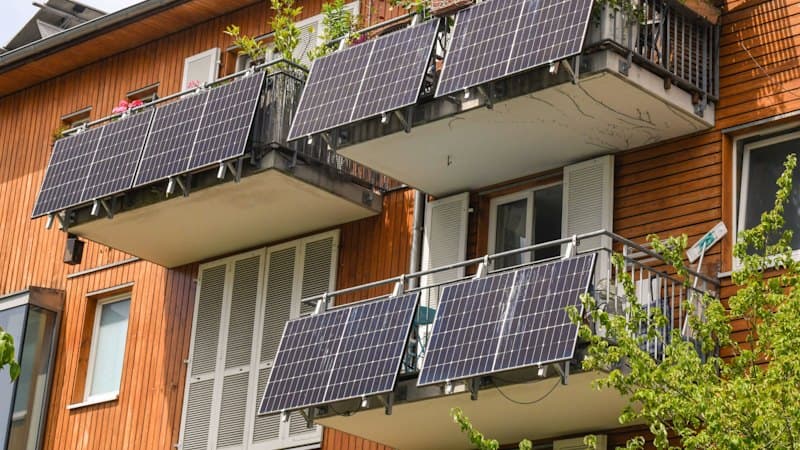
Apartment residents and renters in Australia may soon have the ability to purchase plug-in batteries for home energy storage. These devices will allow users to store inexpensive daytime electricity for use during evening peaks, even without owning solar panels. This initiative is part of broader reforms designed to expand access to solar power for individuals living in apartments and rental properties.
Climate Change and Energy Minister Chris Bowen announced that all Australian states and territories have agreed to explore the feasibility of plug-in solar and batteries. The goal is to provide renters and apartment dwellers with greater control over their energy expenses. The technology, already popular in Germany and other European nations, is anticipated to become legal and widely adopted in Australia by mid-next year, following regulatory reforms.
Beyond batteries, portable solar panels are also being considered, often referred to as 'balcony solar'. While panels can be effective on balconies in Europe, in Australia, they might be more suited for backyards due to the sun's higher angle. These systems offer a flexible solution, as they can be taken when moving homes and do not necessarily require installation by an electrician, simplifying adoption for a wider demographic.
Glen Morris, director of Smart Energy Lab, noted Australia's recent acceleration in developing new standards for this technology, which typically takes years. He highlighted that products designed for the European market already incorporate necessary safety features. The legal hurdles are primarily an amendment to the Australian standard for inverter systems, which is expected to be fast-tracked by referencing international standards.
Francis Vierboom, CEO of Rewiring Australia, emphasized that 'suitcase batteries' could be particularly transformative for apartment residents, as they can be deployed independently of solar panels. These batteries can charge from low-cost grid electricity, including potentially free off-peak power, and then be utilized during high-demand evening periods. This reduces reliance on the grid during peak times, contributing to a more stable and cost-effective energy system.
Advocacy groups like Solar Citizens are pushing for a clear timeline, targeting July 1 of the next year for implementation. They aim to ensure that renters, apartment dwellers, and low-income households can benefit. The focus is on ensuring that individuals are not excluded from cheaper, cleaner energy solutions simply because they lack private rooftop space. Potential legislative reviews may also address strata and tenancy laws to clarify any blocking capabilities for owners' corporations, strata managers, or landlords.
The cost of an 800-watt plug-in solar system with two panels is estimated between $450 and $850, with a potential payback period of two to four years. Adding a 1.6-2 kWh battery could bring the combined cost to $1100-$1300, with batteries expected to last 15 to 20 years of daily use. While initial Australian prices might be higher, they are expected to decrease over time. Discussions are underway regarding government rebates and schemes, though adjustments may be needed for smaller battery systems not covered by existing policies.


