Home / Technology / Future Phones: Solid-State, Nuclear, and Credit Card Thin!
Future Phones: Solid-State, Nuclear, and Credit Card Thin!
16 Jan
Summary
- Silicon-carbon batteries offer capacities up to 9,000mAh.
- Solid-state batteries promise slower degradation and higher energy density.
- Nuclear batteries could power phones for 50 years without charging.
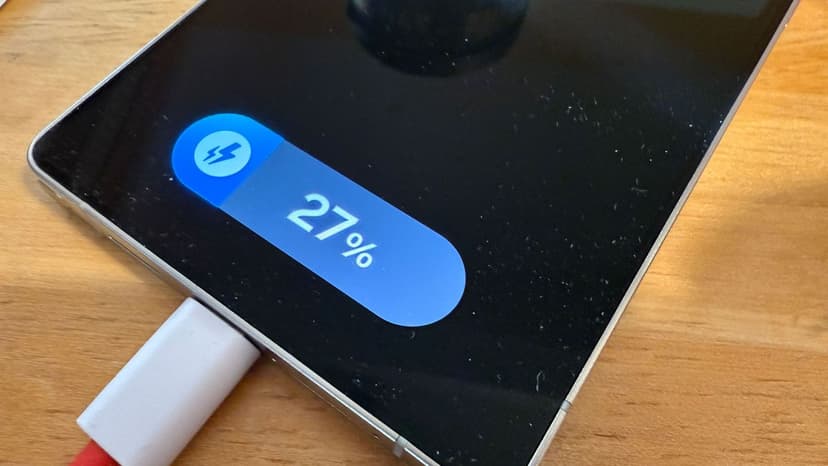
The era of daily phone charging may soon be over as innovative battery technologies emerge. Silicon-carbon batteries are beginning to appear in new handsets, boasting capacities between 7,000-9,000mAh, a substantial increase over typical lithium-ion batteries which rarely exceed 5,500mAh without making devices bulky.
Solid-state batteries represent another leap, utilizing solid or gel electrolytes to enhance energy density and longevity. These batteries degrade slower, with some prototypes maintaining over 80% capacity after 1,000 charges, far surpassing lithium-ion performance after 300-500 cycles.
Looking towards a future where phones might last for decades without a charge, nuclear batteries are under development. While currently used in specialized applications due to size and cost, miniaturized versions are being explored. Other concepts include structural batteries integrated into a phone's frame and advanced graphene batteries promising faster charging and greater endurance.