Home / Technology / OpenClaw AI: Power Tool or Hacker's Dream?
OpenClaw AI: Power Tool or Hacker's Dream?
12 Mar
Summary
- OpenClaw AI agent allows complex tasks but faces numerous vulnerabilities.
- China sees rapid adoption, sparking market swings and government warnings.
- Its open-source nature enables user customization and potential security risks.
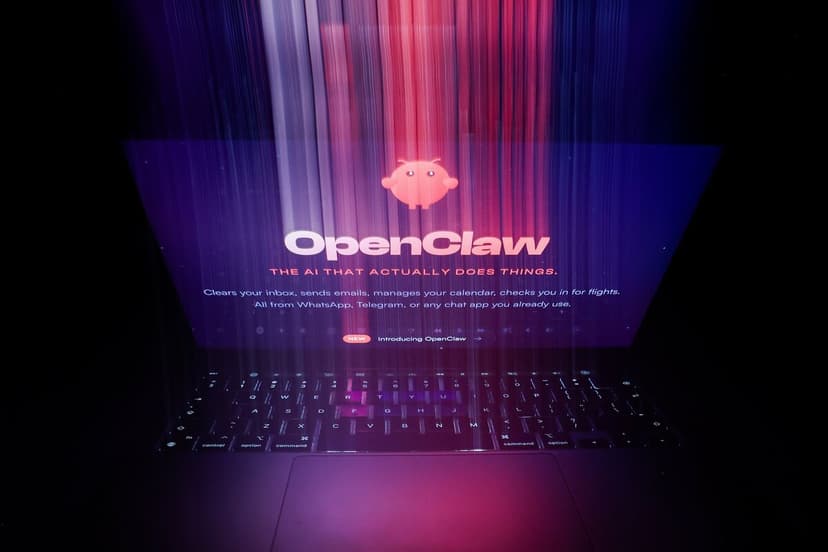
OpenClaw, an AI assistant developed by Peter Steinberger, has seen rapid adoption since its November launch. This open-source agent allows users to automate complex tasks on their computers or smartphones, from managing emails to making travel bookings. Its flexibility enables users to modify its underlying parameters, distinguishing it from proprietary AI services.
The agent's local data processing, rather than cloud-based, and integration with popular messaging platforms like WhatsApp and WeChat simplify user interaction after initial setup. Users can instruct OpenClaw using natural language, and developers can extend its capabilities by teaching it new skills or integrating it with other AI models.
Despite its utility, OpenClaw faces considerable cybersecurity concerns. Numerous vulnerabilities have been identified, and a previous exploit, ClawJacked, allowed unauthorized control of user agents. These risks have prompted Chinese authorities to issue alerts to government agencies and major banks regarding potential data theft and unauthorized actions.
China's embrace of OpenClaw, with tech giants offering easy deployment and local authorities providing subsidies, has led to market volatility. However, the decentralized nature of OpenClaw raises questions about governance and accountability, as there is no central authority to enforce safeguards, sparking a national debate on regulatory oversight for widely distributed AI agents.