Home / Technology / Nvidia's Next-Gen GPUs Face RAM Crisis Hurdles
Nvidia's Next-Gen GPUs Face RAM Crisis Hurdles
3 Jan
Summary
- Nvidia's 60-series GPUs may launch in Q1 2027 with Rubin architecture.
- Global RAM shortages could impact VRAM and increase GPU prices.
- DLSS 5.0 is expected with new Nvidia GPUs, boosting performance.
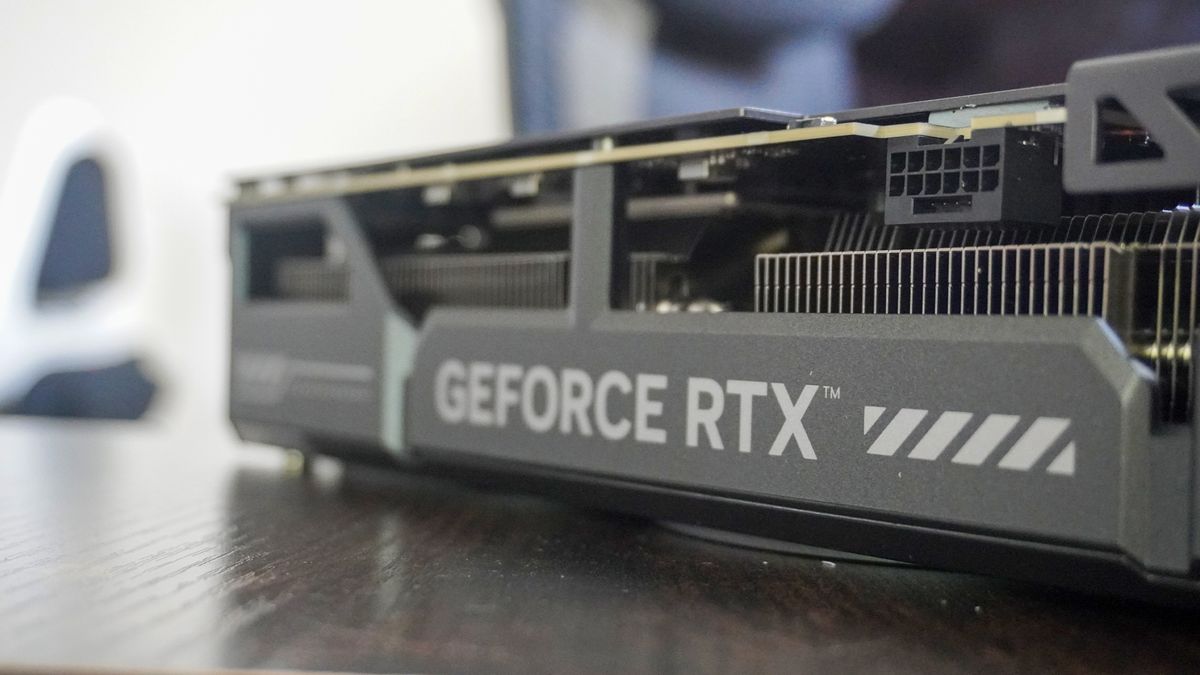
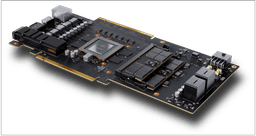
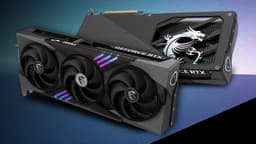
Nvidia's next generation of graphics cards, the 60-series, are reportedly targeting a Q1 2027 announcement, potentially at CES. These GPUs are expected to feature the advanced Rubin architecture, which NVIDIA claims is twice as fast as Blackwell for AI workloads. Gamers anticipate a notable performance increase, possibly around 40% from the RTX 5090 to the anticipated RTX 6090, though this may come with increased power consumption. Initial rumors suggest a range of models, from 6050 to 6090, and a likely avoidance of low VRAM configurations.
However, the global demand for RAM, driven by AI data centers, poses a significant threat to the new GPU lineup. This RAM crisis could force Nvidia to limit VRAM on its consumer cards or significantly increase their prices. The possibility of mid-cycle 'Super' refreshes for the current RTX 50-series also appears unlikely, potentially indicating that the 60-series will be the next major release, skipping any Super variants due to these supply chain issues.
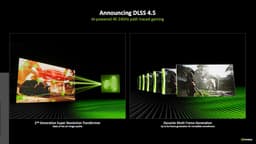
Despite these potential setbacks, Nvidia's continued focus on AI integration is expected to bring advancements like DLSS 5.0 to the 60-series. This technology aims to boost frame rates in supported games, further solidifying Nvidia's position in the market. While the exact specifications and release details remain subject to change, the industry is closely watching how Nvidia navigates the current technological and economic landscape.