Home / Technology / Ex-NSA Chief: AI's Rise, China's Threat Shape Cyber Future
Ex-NSA Chief: AI's Rise, China's Threat Shape Cyber Future
7 Oct
Summary
- Cybersecurity threats are increasingly human-driven, not just technical.
- China's growing cyber sophistication is a major global concern.
- AI presents new vulnerabilities, but also potential defensive advantages.
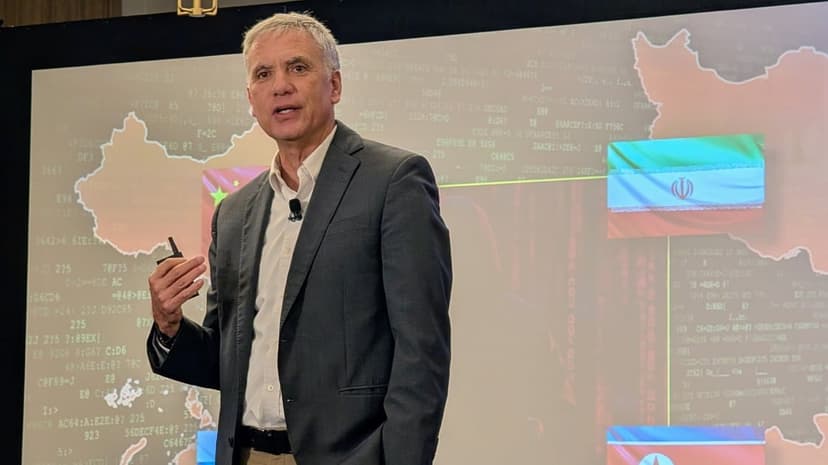
Retired Army General Paul Nakasone, former director of the NSA and US Cyber Command, recently addressed attendees at a cybersecurity conference, emphasizing that complex cyber challenges are fundamentally human-centered. He noted a significant increase in the tempo of cybersecurity events during his tenure, with a surge in critical incidents occurring in his final months.
Nakasone identified China as the foremost geopolitical and cybersecurity adversary, citing its substantial economic growth and advanced, less conspicuous cyber operations. Russia was ranked second, with the SolarWinds attack highlighted as a highly sophisticated supply chain compromise. Iran and North Korea were also noted for their disruptive cyber activities and infiltration tactics.
Artificial intelligence was declared the most significant technological change globally, with agentic AI being its most cybersecurity-relevant facet. Nakasone suggested that while AI deployment creates new vulnerabilities requiring careful observation and control, foreign adversaries may be less adept at protecting these systems, presenting an advantage for U.S. defenders.
Discussions also touched on the critical need for data centers to support AI advancements, acknowledging local concerns over energy costs. Nakasone advocated for strengthened international alliances and a more open immigration policy, viewing them as vital for maintaining America's technological edge and national security. He also stressed the importance of fostering a sense of honor and value in government service to attract and retain talent.


