Home / Technology / Meta's 'Phoenix' Glasses Need a Separate Computer Puck
Meta's 'Phoenix' Glasses Need a Separate Computer Puck
18 Feb
Summary
- Meta's upcoming XR glasses may require a separate compute puck.
- This puck offloads processing power, addressing miniaturization challenges.
- Both Meta and Google are exploring similar tethered smart glasses solutions.
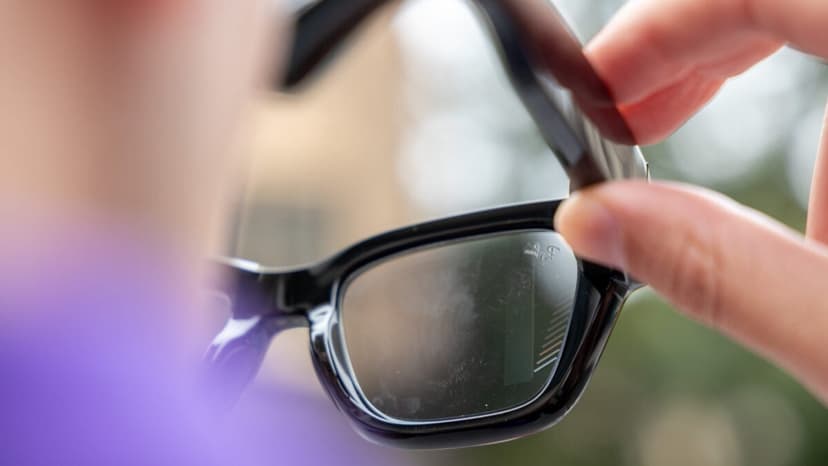
Meta's forthcoming 'Phoenix' XR smart glasses are expected to utilize a separate compute puck, a portable unit designed to handle the glasses' processing needs. This design workaround addresses the substantial engineering hurdles in miniaturizing powerful computing components for lightweight eyewear.
The compute puck aims to solve thermal and ergonomic issues by offloading the computational burden from the glasses themselves. This approach is similar to strategies being explored by Google and Xreal with their Project Aura, which also involves a wired puck to enable PC-like functionality.
While offloading computing to a puck can reduce the weight and bulk on the user's face, it necessitates carrying an additional device. Renderings suggest this puck may include an exhaust fan, raising questions about its thermal output direction.
Both Meta's 'Phoenix' glasses and Google's Project Aura are anticipated to launch around late 2026 and 2027, respectively. These devices highlight a trend in XR technology where the convenience of face-worn computing is balanced against the practicality of external processing units.