Home / Technology / Smart Toilet's Encryption Claim Called Into Question
Smart Toilet's Encryption Claim Called Into Question
5 Dec
Summary
- A researcher disputes Kohler's end-to-end encryption claims for its toilet camera.
- Kohler states its toilet camera data is encrypted between user and company.
- Kohler may use de-identified poop data for AI training with user consent.
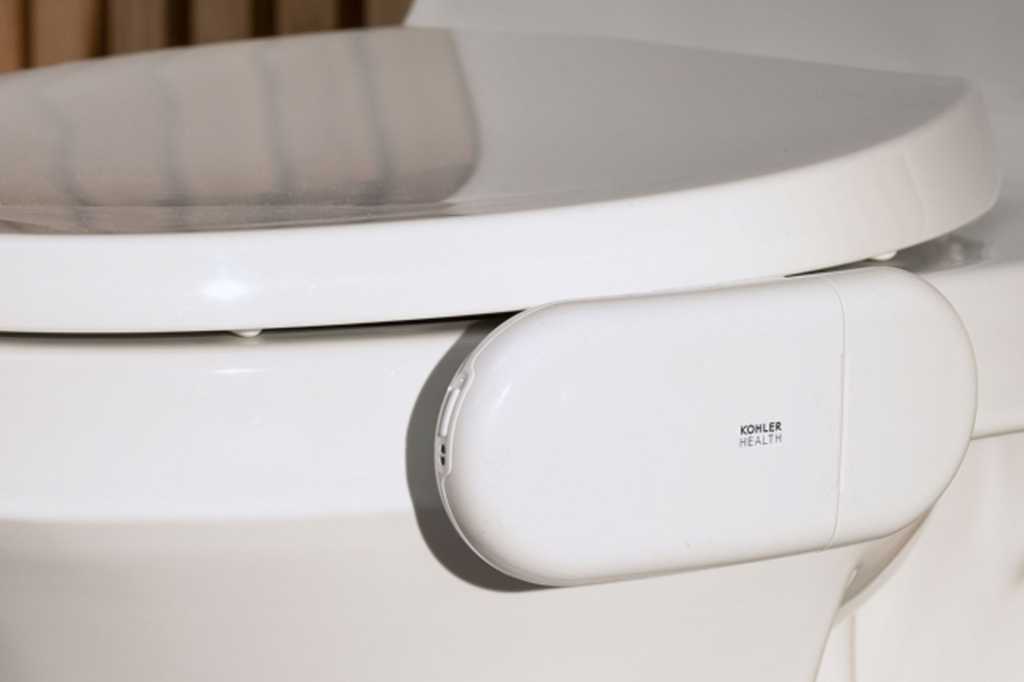
Kohler Health is facing scrutiny over the data security of its new Dekota smart toilet camera, which analyzes fecal matter for gut health information. A security researcher contends that the device's data transmission is not truly end-to-end encrypted as claimed by Kohler.
The researcher argues that Kohler has access to the data collected by the $599 toilet attachment, which is a departure from the strict definition of end-to-end encryption where only the sender and intended recipient can view data. Kohler, however, defines end-to-end encryption as securing data in transit between the user's device and its own systems.
Kohler's privacy policy also indicates a potential use of de-identified data for AI model training, contingent on optional user consent. This practice, combined with the company's access to data, has fueled the debate about the true scope of privacy offered by the smart toilet.