Home / Technology / WWI's Armored Wonder: Junkers J.I Takes Flight
WWI's Armored Wonder: Junkers J.I Takes Flight
16 Feb
Summary
- Junkers J.I featured an all-metal structure for WWI ground attack.
- Armor protection was a defining feature for crew survivability.
- Only one original Junkers J.I airframe survives today.
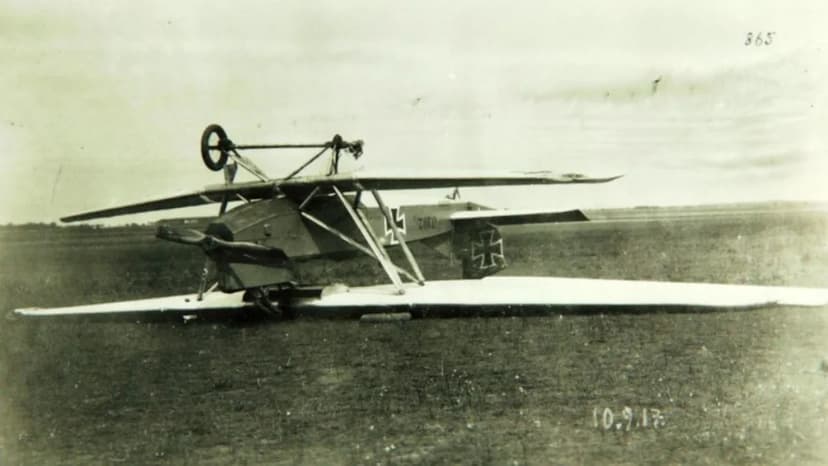
The Junkers J.I, a technically advanced military aircraft, made its inaugural flight on January 28, 1917. Designated J 4 internally, it was developed as an armored aircraft for crucial ground attack and battlefield liaison roles during World War I. Its design emphasized exceptional crew protection and an all-metal construction, setting a new standard for aircraft durability.
The aircraft was specifically engineered for low-altitude operations, exposing crews to ground fire. Consequently, a robust armored shell, often referred to as a 'bathtub,' shielded vital components and personnel. This focus on survivability extended to its fuel tanks and radio equipment, reflecting its dual-purpose mission.
Control systems utilized pushrods and bell cranks for enhanced combat resilience, a departure from common cable-and-pulley setups. The J.I featured a sesquiplane wing layout, powered by a 200-horsepower Benz Bz.IV engine, enabling a top speed of approximately 97 mph. Its operational range and service ceiling underscored its role supporting front-line ground forces rather than high-altitude combat.
Junkers produced 227 J.I models between 1917 and the war's end, primarily serving on the Western Front. The sole surviving airframe, J.I 586/18, built in 1918, was a war trophy transferred to Canada. It is currently exhibited at the Canada Aviation and Space Museum in Ottawa, Ontario.