Home / Technology / iPhone Battery Limit Backfires: Less Life, More Anxiety
iPhone Battery Limit Backfires: Less Life, More Anxiety
1 Dec, 2025
Summary
- Charging to 80% reduced daily runtime and increased battery anxiety.
- After 17 months, battery capacity dropped to 89% with 501 recharge cycles.
- Sacrificing 20% battery capacity for longevity is not deemed worthwhile.
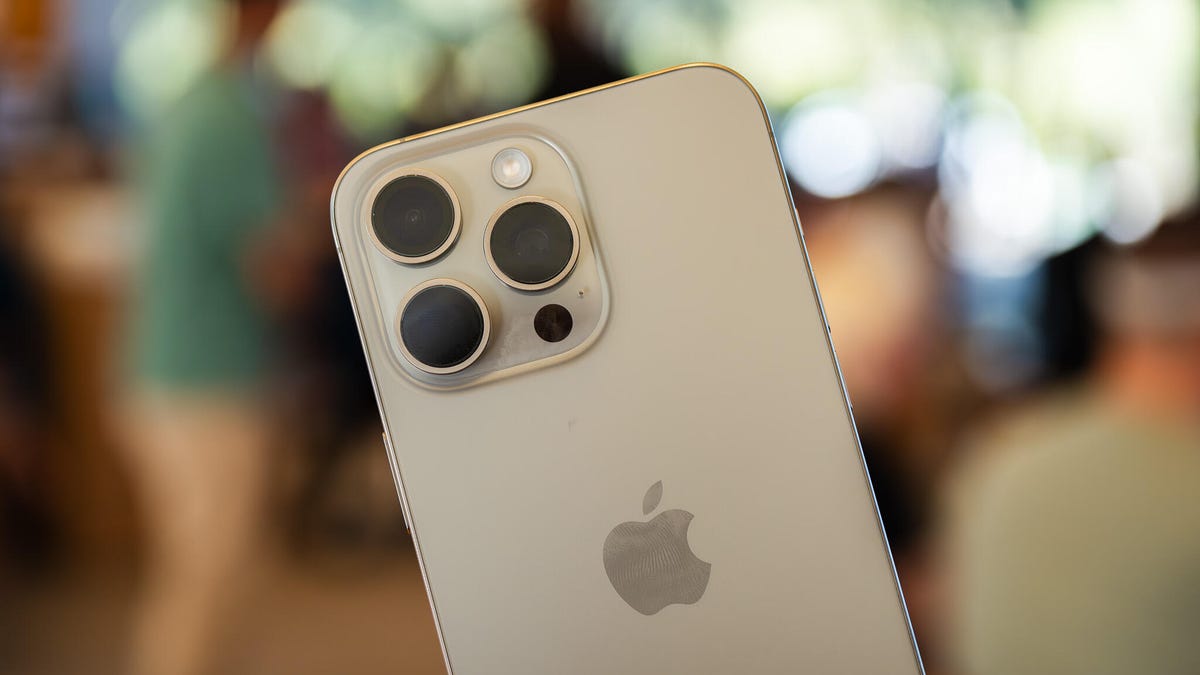
An experiment aimed at maximizing iPhone battery lifespan by limiting daily charges to 80% proved disappointing. While initially manageable, the reduced daily runtime and battery anxiety returned as the battery aged. After 17 months and 501 recharge cycles, the iPhone 15 Pro Max's maximum capacity had degraded to 89%, rendering its battery life "horrendous." This led to a reliance on power banks and even temporary increases to the charge limit, which offered little relief.
The findings suggest that the promise of extended battery lifespan by capping charge levels at 80% may not be worth the significant reduction in daily usability. After just over 1.5 years, the author found the effective battery lifespan to be less than two years, necessitating the purchase of a new device.
This experience aligns with similar findings from other users, indicating that the perceived benefit of charging less does not outweigh the practical drawbacks. The author is now reverting to 100% charging, relying on optimized charging features to mitigate battery wear on their new iPhone.