Home / Technology / India's digital divide: Not about coverage, but use
India's digital divide: Not about coverage, but use
22 Aug
Summary
- India has over 1.09 billion internet subscribers as of March 2026.
- Urban areas have 126.8 subscribers per 100 people, rural only 48.3.
- Network reach is near-universal, yet adoption remains a challenge.
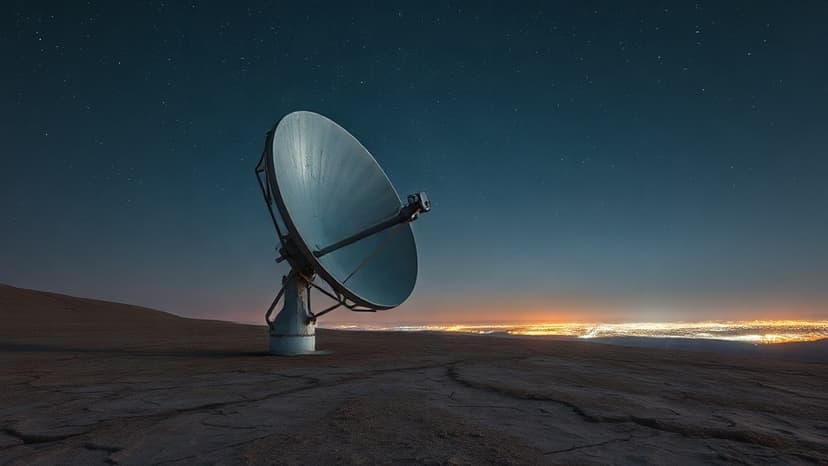
Elon Musk has proposed Starlink to bridge India's rural connectivity gaps. However, recent telecom data indicates the nation's digital divide is shifting from network coverage to internet adoption.
As of March 2026, India recorded over 1.09 billion internet subscribers. Urban centers registered nearly 652 million subscribers, while rural areas had about 441 million. The per capita subscriber rate reveals a stark contrast: 126.8 per 100 people in urban settings versus only 48.3 in rural areas.
This disparity exists despite widespread mobile network access, with many states reporting near-universal village coverage for 3G to 5G services. States like Uttar Pradesh, West Bengal, and Tamil Nadu have virtually all villages covered. Even Bihar, often considered less connected, shows 99.9% village mobile coverage.
The data strongly suggests that the mere presence of mobile networks does not guarantee internet usage. States like Bihar and Madhya Pradesh exhibit low rural internet subscriber rates per capita, despite comprehensive village connectivity. This points to other factors influencing online access.
India's next connectivity hurdle likely lies beyond infrastructure. Affordability of smartphones and data, digital literacy, income levels, and general awareness are emerging as more significant determinants of internet adoption.


