Home / Technology / Underwater Cables Power India's AI Future
Underwater Cables Power India's AI Future
22 Feb
Summary
- Google's initiative boosts AI connectivity between India and the US.
- The SING project enhances data transfers from Southeast Asia to the Middle East.
- Subsea cables carry over 99% of international data traffic globally.
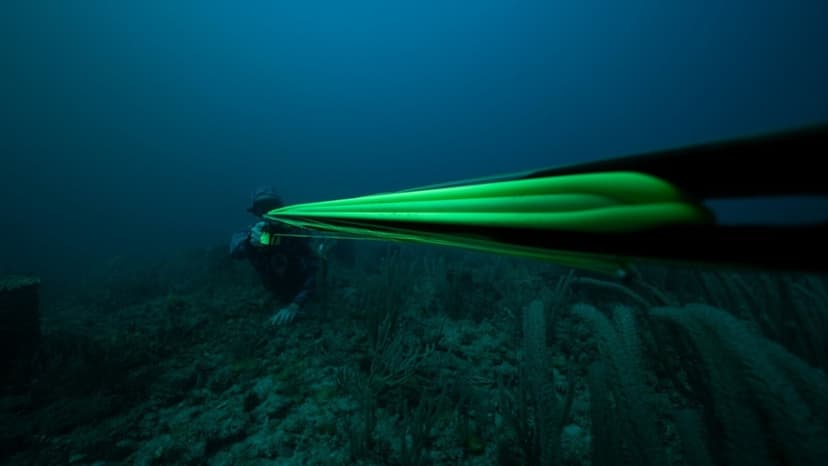
Submarine cables are the unseen foundation of the internet, carrying over 99% of international data traffic. Two significant projects, Google's India-America Connect Initiative and the Singapore-India-Gulf (SING) project, are poised to bolster this infrastructure with India at their core.
Google's initiative involves building new subsea cable routes to enhance AI connectivity between India and the US. It includes establishing an international subsea landing station in Visakhapatnam, with three planned routes connecting India to Singapore, South Africa, and Australia. This $15 billion investment aims to increase network capacity and support the rising demand for cloud computing and AI services.
The SING subsea cable project, connecting Southeast Asia, South Asia, and the Middle East, is seeing renewed momentum. Following financing challenges, a majority stake acquisition by Cerberus Capital Management has unlocked full project financing. The project will feature 16 fibre pairs, with landing points in the UAE, Oman, India (Mumbai and Chennai), Malaysia, and Singapore, expected to be completed by 2030.
These developments position India as a key regional digital connectivity hub. By hosting landing stations in Mumbai and Chennai, India aims to increase its capacity for global data traffic, acting as a gateway between Asia and the Middle East. The projects also improve route diversity and resilience, crucial for supporting India's expanding digital economy, including cloud services and AI-driven workloads.