Home / Technology / iCloud Private Relay Limits Exposed: Is a VPN Still Necessary?
iCloud Private Relay Limits Exposed: Is a VPN Still Necessary?
22 Nov
Summary
- Private Relay only protects Safari browsing and unencrypted HTTP traffic.
- VPNs encrypt all device traffic across apps and browsers.
- Private Relay is unavailable in countries like China, Russia, and Saudi Arabia.
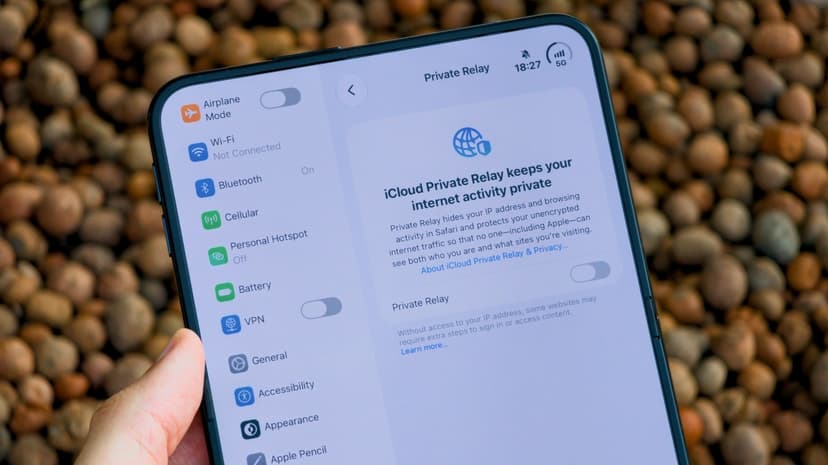
Apple's iCloud Private Relay, a feature of iCloud+, offers a layer of privacy by masking your IP address from websites visited in Safari. It functions by splitting traffic between Apple and a partner, like Cloudflare, preventing either from having a complete view of your browsing activity.
However, Private Relay's capabilities are limited. It only secures browsing within Safari and traffic sent over unencrypted HTTP. Activity from other browsers and applications bypasses this protection entirely. Furthermore, it provides a general regional IP address and does not allow for location changes, impacting geo-blocking circumvention.
As of August 2026, Apple was investigating an issue where using passkeys with Private Relay could expose a user's real IP address. This feature also has significant geographical restrictions, being unavailable in countries such as China, Russia, and Saudi Arabia.
In contrast, a virtual private network (VPN) encrypts all data leaving a device, irrespective of the application or browser used. VPNs offer greater flexibility, allowing users to change their IP address and location to bypass geo-restrictions. They can be installed on various devices, including computers and routers, providing broader protection.
Users must exercise caution when selecting a VPN, as free or unknown services can pose security risks, potentially exposing data to malicious actors. Reputable VPNs like ProtonVPN and ExpressVPN are recommended.
For maximum security, users can employ both iCloud Private Relay for Safari browsing and a VPN for other activities, public Wi-Fi, or when traveling in regions where Private Relay is not supported.


