Home / Technology / ICE Uses Facial App on Streets
ICE Uses Facial App on Streets
7 Feb
Summary
- ICE agents use a facial recognition app called Mobile Fortify.
- The app accesses a database of over 200 million images.
- Facial recognition technology has known biases against dark skin.
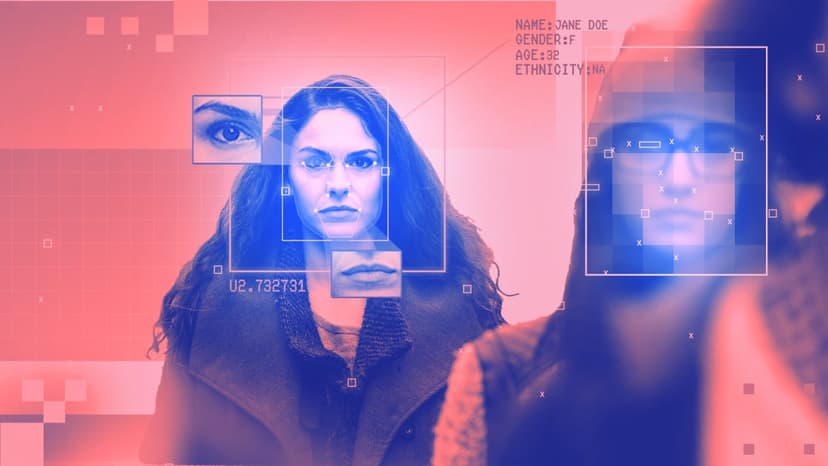
Immigration and Customs Enforcement (ICE) agents have been deploying a facial recognition application known as Mobile Fortify in public spaces. This app accesses a substantial database containing over 200 million images, which were initially gathered by Customs and Border Patrol (CBP) during border entries. The Department of Homeland Security (DHS) oversees both ICE and CBP.
Concerns are amplified by the known biases in facial recognition technology, particularly its higher error rates when identifying Black individuals. This can lead to increased risks of wrongful detention and contribute to existing racial disparities. While some optional face scans, such as those at TSA checkpoints, can be refused by US citizens, ICE agents can capture and scan faces without explicit consent.
The data collected by Mobile Fortify is retained for 15 years, irrespective of an individual's citizenship or immigration status. Security experts have long warned about the dangers of biometric scanning, emphasizing how passive face scanning can occur without user intent or consent, unlike PINs or fingerprint readers.
Experts suggest that declining optional facial recognition scans, when possible, sends a message to companies and policymakers. Collective refusal of such technology could slow its integration into daily services and products, encouraging greater accountability. For individuals concerned about their data, declining optional scans and questioning unclear policies are presented as the most effective actions.