Home / Technology / Hyperloop's Ghost: Is The Dream Still Alive?
Hyperloop's Ghost: Is The Dream Still Alive?
28 Nov
Summary
- Hyperloop One ceased operations in December 2023, ending a major pursuit of the technology.
- European projects are advancing, with the EU backing research for a potential 2035-40 opening.
- Skeptics cite high costs and engineering challenges, while proponents see it as a rail complement.
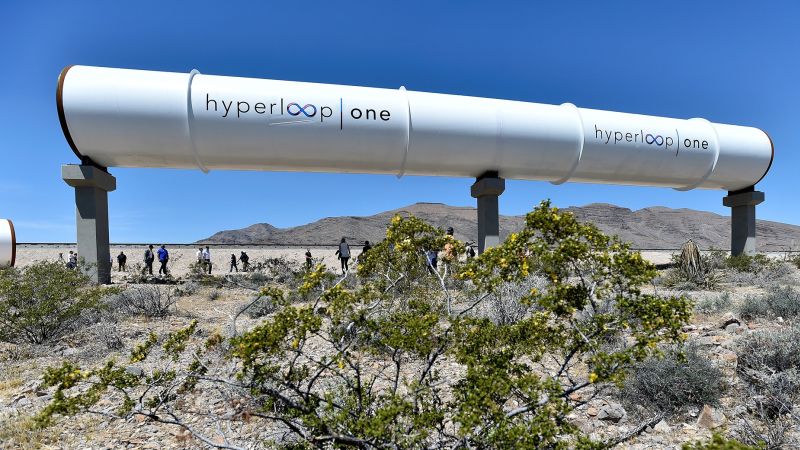
The concept of hyperloop, envisioned as trains traveling at 700 mph in pressurized tubes, faced a significant setback with Hyperloop One ceasing operations in December 2023. However, the dream of ultra-fast tube travel persists, with ongoing projects in China and Europe. The European Union is actively supporting research, aiming for initial lines to open between 2035 and 2040.
Historically, ideas for rapid transit in tubes date back to the 19th century, with Elon Musk's 2013 proposal marrying magnetic levitation and vacuum tubes sparking renewed global interest. Despite substantial investment, Hyperloop One ultimately failed to achieve profitability, leading to its closure. Other ventures, including Richard Branson's Virgin Hyperloop, also faltered, shifting focus or discontinuing efforts.
Nevertheless, companies like Hardt Hyperloop in Europe are making verifiable progress, including developing functional track switching systems. The EU's ambitious plan includes a 15,000-mile network by 2050, aiming to reduce carbon emissions significantly. While significant financial and engineering challenges remain, proponents maintain hyperloop could complement existing rail networks and transform inter-city travel.