Home / Technology / Humanoid Robots: Ready for Work, But Are We?
Humanoid Robots: Ready for Work, But Are We?
14 Dec
Summary
- Humanoid robots face safety challenges in homes and factories.
- Privacy and surveillance concerns arise with internet-connected robots.
- High costs and labor market impact are significant hurdles.
- Initial humanoid robot use may require remote human operation.
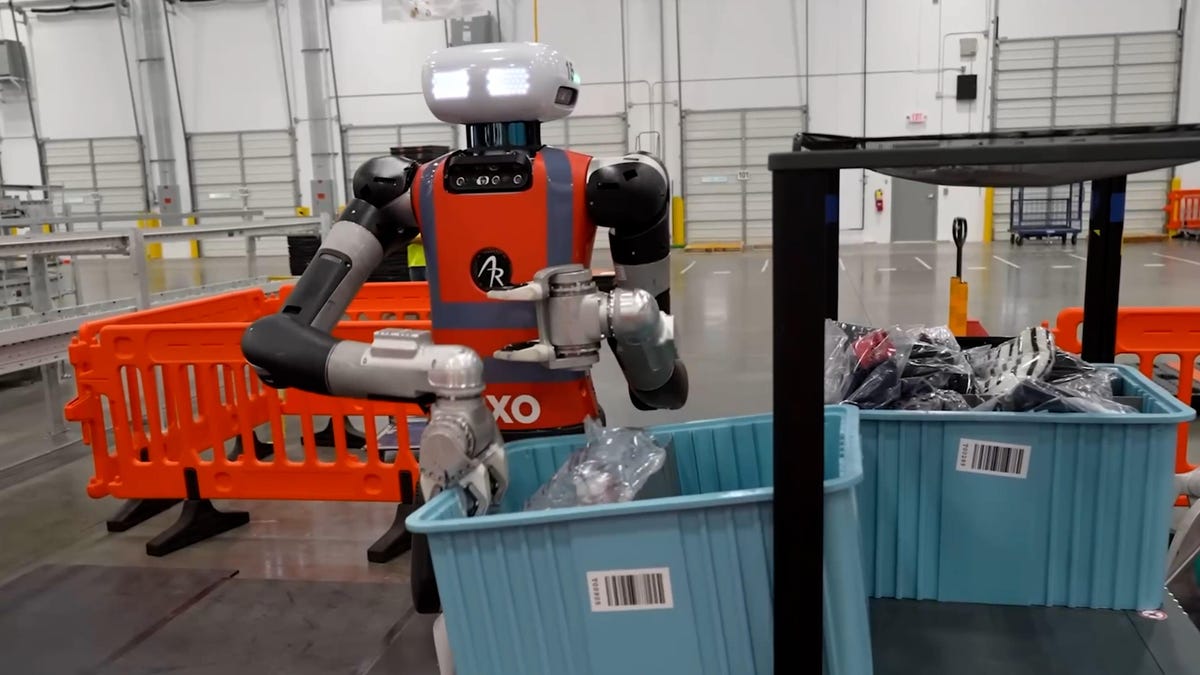
The integration of humanoid robots into homes and workplaces is anticipated in the coming year, with developers envisioning transformative impacts. However, the industry must first navigate critical safety concerns. Robots operating autonomously in shared spaces require robust human detection technology, which is still under development. This is especially pertinent for home environments, where the presence of children, pets, and delicate belongings introduces complex safety and privacy considerations.
The digital risks associated with internet-connected devices are amplified when embodied in a humanoid form, raising anxieties about surveillance and trust. Some advanced models, like Neo from 1X, will initially rely on remote human operators, meaning an unknown individual could control the robot within a private residence. While companies are offering user controls for data sharing and operational scheduling, public acceptance of such teleoperation remains uncertain.
Beyond safety and privacy, the affordability of these robots presents another major barrier, with initial price tags reaching $20,000 or $500 per month for leasing. The broader economic implications, specifically the potential displacement of human workers in jobs these robots are designed to perform, also require careful consideration as the technology advances.