Home / Technology / Human Error: Cyber's Costly Weakness
Human Error: Cyber's Costly Weakness
20 Mar
Summary
- Human behavior accounts for 60% of cyber breaches.
- MFA bombing exploits user fatigue and trust.
- AI is increasingly used to weaponize human trust.
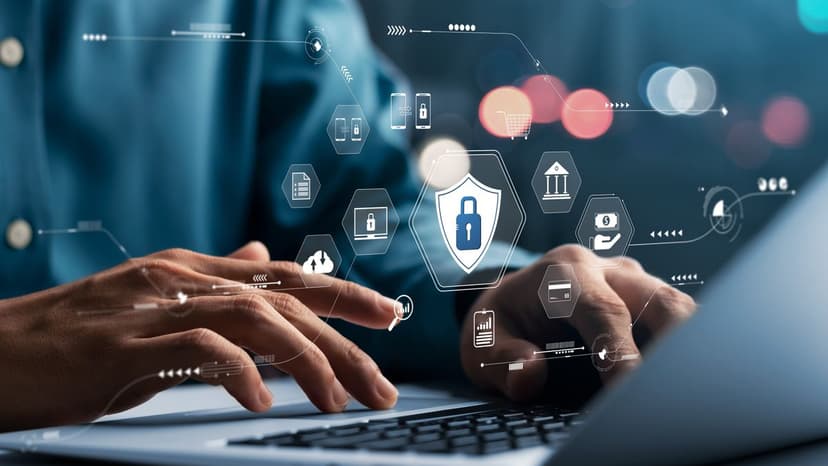
Organizations are continually investing in cybersecurity awareness, yet breaches persist, often due to predictable human responses under pressure rather than technical vulnerabilities. The shift to cloud platforms and SaaS tools has dissolved traditional network perimeters, making employee decisions the new frontline.
Employees, facing daily distractions and cognitive overload, rely on mental shortcuts, making them susceptible to social engineering tactics that hijack trust and urgency. This exploitation is proving highly successful, with one major retailer attributing a £300 million breach to "human error."
Threats are escalating as cybercriminals weaponize AI to manipulate human trust more effectively. While Multi-Factor Authentication (MFA) is a foundational defense, methods like MFA bombing exploit human psychology by overwhelming users with repeated prompts until one is mistakenly approved.
Addressing these human-centric vulnerabilities requires moving beyond basic security controls. Implementing phishing-resistant MFA and context-based access controls, which analyze factors like login location and user behavior, can significantly reduce risks. Additionally, FIDO2 security and origin binding offer advanced protection against credential theft, even if users are deceived.
Ultimately, cybersecurity success hinges on implementing user-friendly, enhanced MFA solutions. These tools create a crucial buffer against social engineering, making it harder for attackers to exploit human nature. Investing in behavior-aware security and easy-to-use, secure MFA protocols is essential for protecting critical systems and data.