



Home / Technology / Home Robots: Still Science Fiction?
Home Robots: Still Science Fiction?
1 Jan
Summary
- Robot limitations from the 90s persist today.
- AI smarts, not physical ability, is the main robot obstacle.
- Truly capable home robots are years, if not a decade, away.
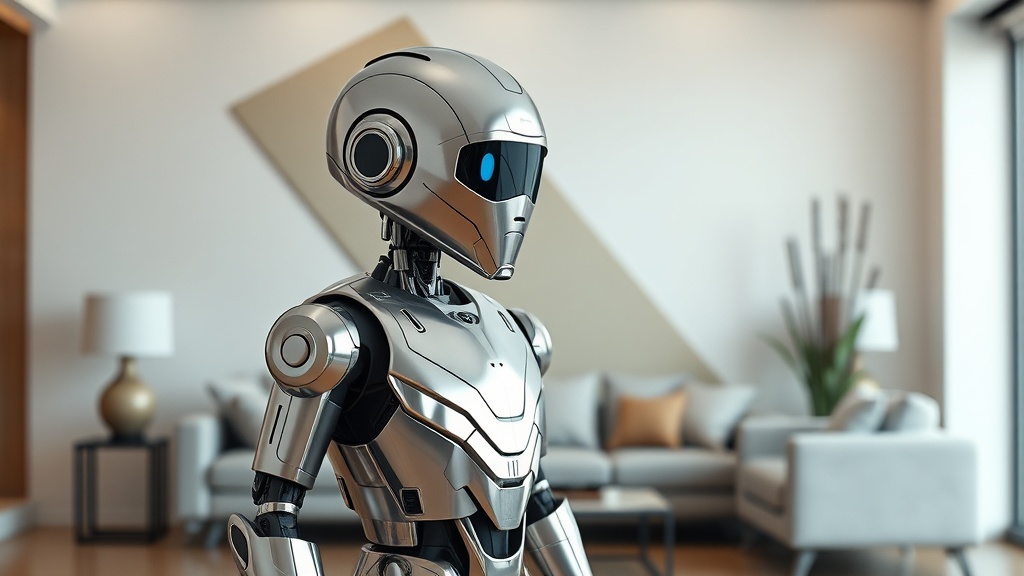
The aspiration for genuinely useful home robots, much like the childhood fantasy of a butler robot named Emiglio, faces persistent challenges. Despite over 30 years of technological progress, current robots like Neo demonstrate similar limitations in autonomy and usefulness as their predecessors, requiring human teleoperation for many tasks. The primary obstacle to widespread adoption is not physical capability, but rather the 'smarts' provided by Artificial Intelligence.
Recent breakthroughs in AI, including large language models and vision-language-action models, are paving the way for more natural interactions and sophisticated robot behaviors. However, experts suggest that the complexity of varied home environments makes standardization difficult, unlike more predictable settings such as hotels or hospitals. Companies are exploring ambitious approaches, like training humanoid robots with household task data, but widespread deployment in homes is still considered years away.
Furthermore, significant concerns regarding safety, bias, and cost persist. Research indicates that popular AI models are not yet ready to safely power robots, with potential for harmful actions. Consequently, while robotics is a major trend, truly capable and safe humanoid home robots are estimated to be at least five to ten years from becoming a reality, with more practical, task-specific bots currently offering greater immediate value.
