Home / Technology / Health Trackers: Insights or Anxiety Inducers?
Health Trackers: Insights or Anxiety Inducers?
21 Mar
Summary
- Wearable health trackers offer data but may cause obsession.
- Data privacy concerns arise as companies collect user information.
- Doctors find wearable data overwhelming for appointments.

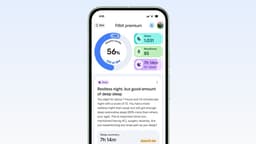
Wearable health trackers, from smartwatches to rings, are becoming ubiquitous, with a significant portion of Americans using them. These devices track various metrics like heart rate, sleep, and blood sugar, promising health benefits and increased physical activity. Experts like Casey Means advocate for their use in understanding personal health choices, while others, like Adam Clark Estes, have explored the overwhelming nature of extensive data tracking.
Concerns are mounting over data privacy, as wearable health data is not always protected by HIPAA and can be sold to third parties. There's a lack of robust federal privacy laws in the U.S., leaving users vulnerable. Doctors also find the influx of data challenging to integrate into brief appointments, suggesting a need for more accessible healthcare rather than solely relying on personal tracking devices.