Home / Technology / Grid Batteries: Chile's Desert Proved the Future
Grid Batteries: Chile's Desert Proved the Future
5 Dec, 2025
Summary
- Lithium-ion batteries are vital for stabilizing electric grids worldwide.
- An early grid battery test in Chile's Atacama Desert proved crucial.
- Battery costs have dropped 90% in 15 years, enabling rapid growth.
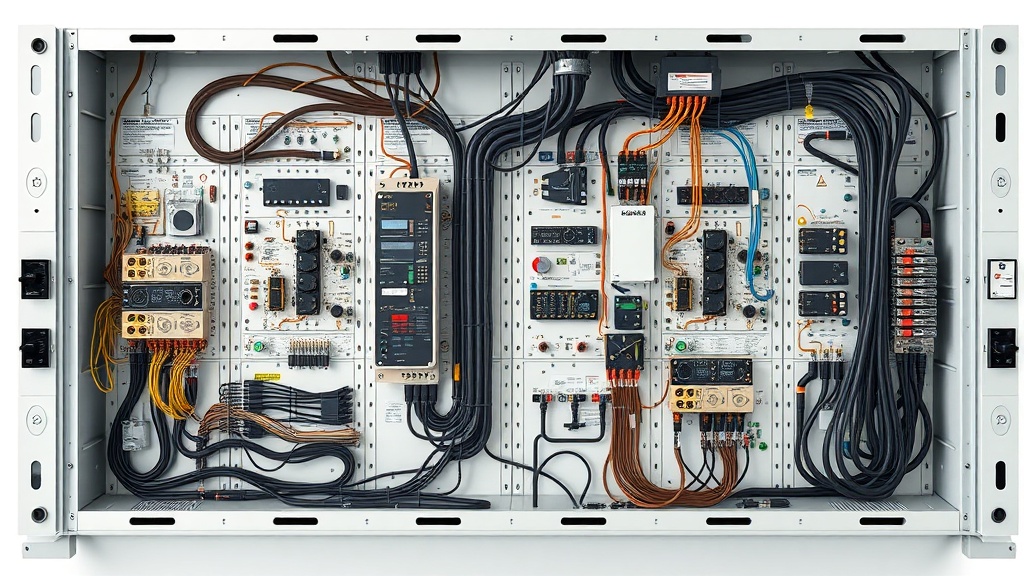
Lithium-ion batteries, initially developed in the U.S. decades ago, are now revolutionizing electric grids globally. An ambitious project in Chile's high-altitude Atacama Desert approximately 15 years ago served as a critical early demonstration of batteries' capability to enhance grid stability and reliability, overcoming initial skepticism about cost and risk.
The dramatic 90 percent reduction in battery costs over the past 15 years, driven by increased manufacturing, has made large-scale grid storage economically viable. This has been essential for integrating intermittent renewable sources like wind and solar power, ensuring a consistent energy supply even when natural conditions are not optimal.
This technological advancement is transforming energy management, reducing reliance on expensive peak power plants, and enabling regions like California to avoid power outages by utilizing solar energy well into the evening. The global expansion of battery storage marks a significant shift towards a more resilient and sustainable energy future.