Home / Technology / Google Glass: The Dream and the Nightmare
Google Glass: The Dream and the Nightmare
7 Dec
Summary
- Google Glass launched 13 years ago, aiming to make computers accessible without screens.
- The product faced immediate backlash despite its innovative potential.
- Glass's legacy is complex, balancing dreams of future tech with societal concerns.
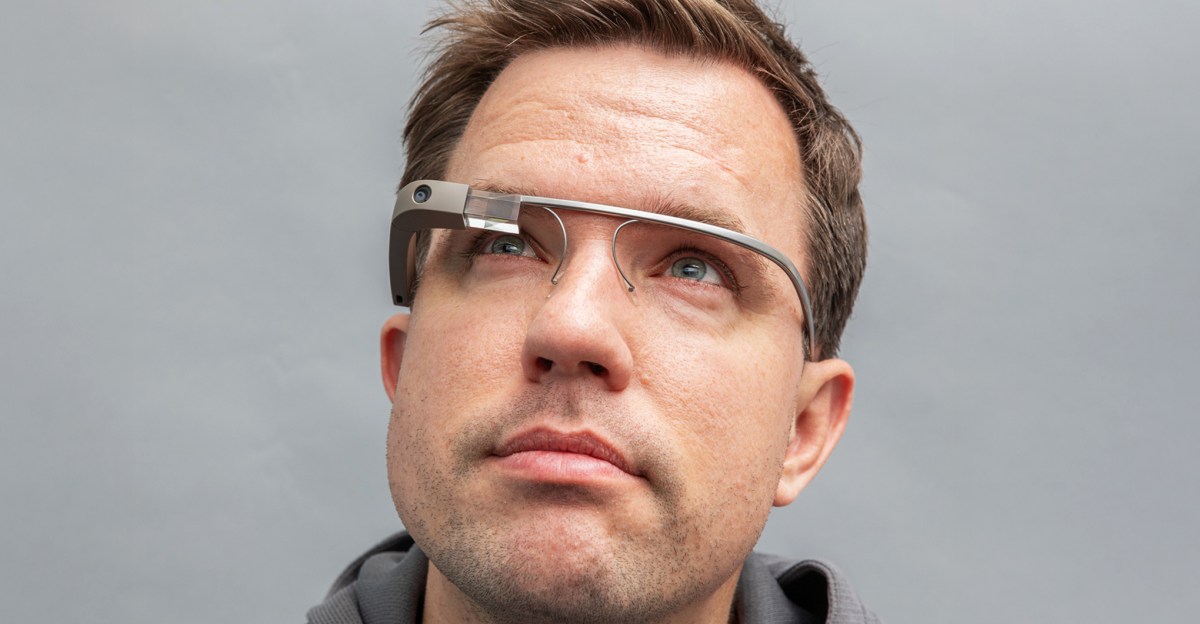
Thirteen years ago, Google Glass emerged, not as the first smart glasses, but as the one that propelled the concept into the mainstream. This innovation promised a future where computer interaction was hands-free and screen-free, allowing users to access information and communicate effortlessly.
However, this vision quickly encountered a harsh reality. The introduction of 'face computers' generated a significant cultural backlash, leading to public resistance and the coining of the term 'Glassholes' to describe users. This immediate negative reaction highlighted deep-seated societal anxieties about privacy and the intrusive nature of pervasive technology.
While Google Glass experienced a swift and public decline, its story is not one of complete extinction. The product's influence persisted, and its underlying concepts have reappeared in various forms. The initial launch and subsequent cultural impact serve as a pivotal, albeit controversial, moment in the history of personal technology.