Home / Technology / Google Glass: The Ambitious Failure That Changed Wearables
Google Glass: The Ambitious Failure That Changed Wearables
3 Aug
Summary
- Google Glass set high expectations but had limited capabilities.
- It spurred public conversation and competition in wearables.
- Glass influenced augmented reality and privacy debates.
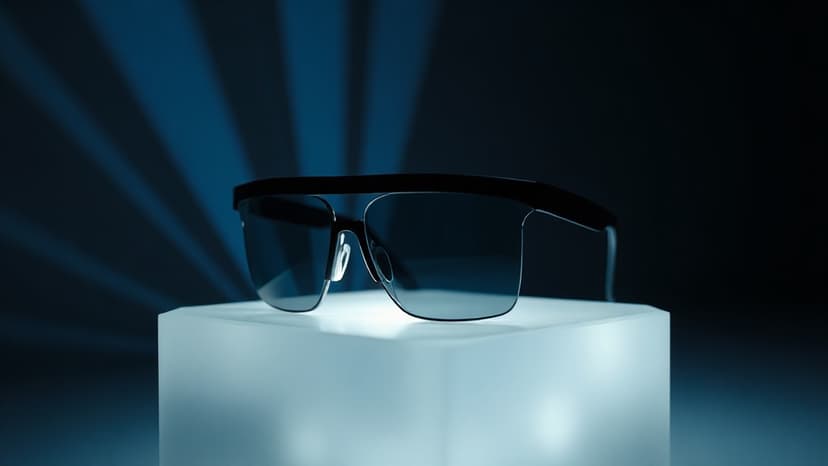
Google Glass, launched with significant anticipation, ultimately fell short of lofty expectations due to its limited capabilities and unclear market fit. While Google attempted various positioning strategies, the device struggled to find a natural audience beyond tech enthusiasts.
Despite its personal shortcomings, Glass was pivotal in initiating mainstream discussions about wearable technology. Its launch around 2014 coincided with a surge in wearable innovation, pushing competitors and encouraging consumers to consider technology beyond traditional pockets and belts.
Furthermore, Glass significantly fueled imagination in augmented reality, potentially influencing major acquisitions like Facebook's purchase of Oculus Rift. It also thrust technology, surveillance, and privacy issues into public discourse, especially in the wake of revelations about government surveillance efforts.
Looking back, Google Glass is now seen as a foundational, albeit flawed, device. Much like the early Motorola DynaTAC phone, it was expensive and socially complex, yet it was instrumental in shaping industry trends and cultural conversations around ubiquitous computing.


