Home / Technology / Google AI Powers Pentagon's Classified Projects Amid Employee Backlash
Google AI Powers Pentagon's Classified Projects Amid Employee Backlash
29 Apr
Summary
- Google reportedly agrees to provide AI tools to the Pentagon for classified work.
- Hundreds of Google employees have signed an open letter opposing military AI use.
- This follows Google's 2018 withdrawal from Project Maven after similar protests.
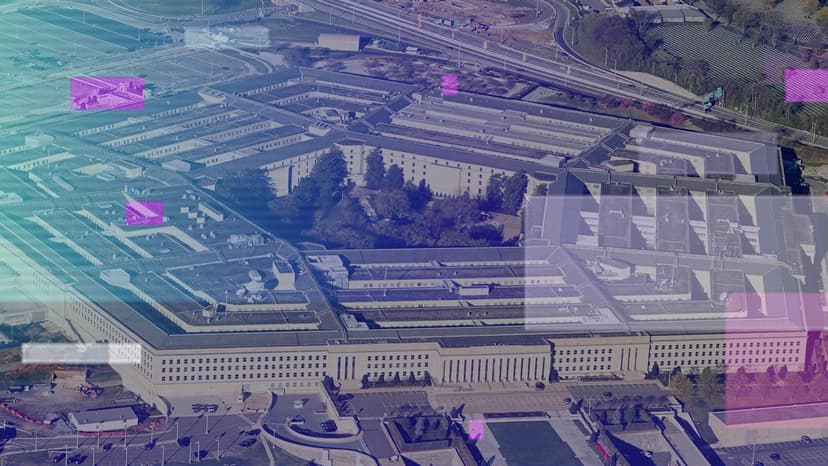
Google has reportedly finalized an agreement enabling the U.S. Department of Defense to employ its artificial intelligence models for classified operations. This development has ignited significant internal opposition, with over 600 employees signing an open letter to CEO Sundar Pichai, urging the company to abstain from military AI applications they deem potentially dangerous and difficult to oversee.
The reported deal permits the Pentagon to access Google's AI tools for various governmental purposes, including sensitive military applications. This places Google alongside companies like OpenAI and xAI, which have also secured similar classified AI agreements with the Pentagon. However, the agreement includes stipulations that Google's AI is not intended for domestic mass surveillance or autonomous weapons without human oversight.
This internal backlash echoes a significant revolt in 2018 when thousands of Google employees protested Project Maven, a Pentagon initiative involving AI analysis of drone footage. Following that protest, Google opted not to renew the contract. The company's stance on military and national security AI has evolved since then, with a previous AI principle stating they would not pursue technologies likely to cause overall harm or be used for weapons being removed last year.
Google DeepMind CEO Demis Hassabis and senior vice president James Manyika recently stated in a blog post that democracies should lead in AI development and that collaboration between companies and governments is crucial for building AI that protects people and supports national security. Despite this, employees opposing the current deal express shame and deep concern about classified deployments removing usual visibility into AI usage, fearing inhumane or extremely harmful applications.


