Home / Technology / World Bans Social Media for Under-16s
World Bans Social Media for Under-16s
24 Aug
Summary
- Australia enacted the first law banning social media for minors under 16.
- Countries worldwide are implementing age restrictions and parental consent.
- Penalties for non-compliance range up to $34.9 million.
- Nations are exploring age verification and content filtering technologies.
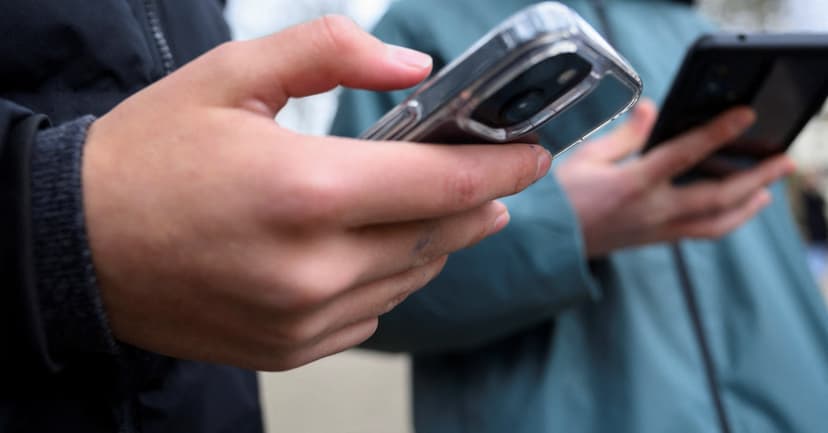
Australia has enacted a groundbreaking law, set to take effect on December 10, 2025, which bans social media access for individuals under 16. This legislation, one of the strictest of its kind, imposes significant penalties, potentially reaching A$49.5 million ($34.9 million), on companies that fail to comply.
Globally, a wave of regulatory action is underway. Britain plans a similar ban for under-16s by Spring 2027 and is exploring measures to prevent the circulation of nude images among minors. China has implemented a 'minor mode' with screen time restrictions. Denmark aims to ban social media for children under 15, while France's high court blocked a similar ban, citing freedom of expression concerns.
Other nations are also taking action. Germany and Norway require parental consent for minors aged 13-16 and propose raising the age to 15, respectively. Greece and Slovenia are drafting laws to prohibit access for those under 15. India's economic adviser has called for age restrictions, and Italy requires parental consent for users under 14. Malaysia has begun barring registrations for those under 16.
New Zealand is proposing a ban for under-16s with substantial fines. Poland and Spain are preparing legislation to ban social media for children under 15 and 16, respectively, emphasizing age verification. Sweden's commission recommended a minimum age of 15. Turkey passed legislation banning social media for those under 15.
The United Arab Emirates approved a resolution setting the minimum age at 15, becoming the first Arab nation to do so. In the United States, the Kids Online Safety Act is advancing, aiming to ensure social media companies exercise 'reasonable care' to protect minors, separate from existing data privacy laws that have faced legal challenges.
The European Union is also pursuing stronger child protections. The European Commission plans a 'Digital Fairness Act' targeting addictive design practices, and the European Parliament has called for EU-wide bans for those under 16, with an outright ban for the under-13s. The tech industry, including platforms like TikTok and Snapchat, typically requires users to be at least 13, but advocates argue these controls are insufficient.


