Home / Technology / Your Future PC: AI Inside, Not Just Software
Your Future PC: AI Inside, Not Just Software
30 Jun
Summary
- Future computers will prioritize Neural Processing Units (NPUs) over traditional processors.
- Most everyday AI tasks will soon run privately on devices, not in the cloud.
- AI assistants will ask permission before searching the internet for information.
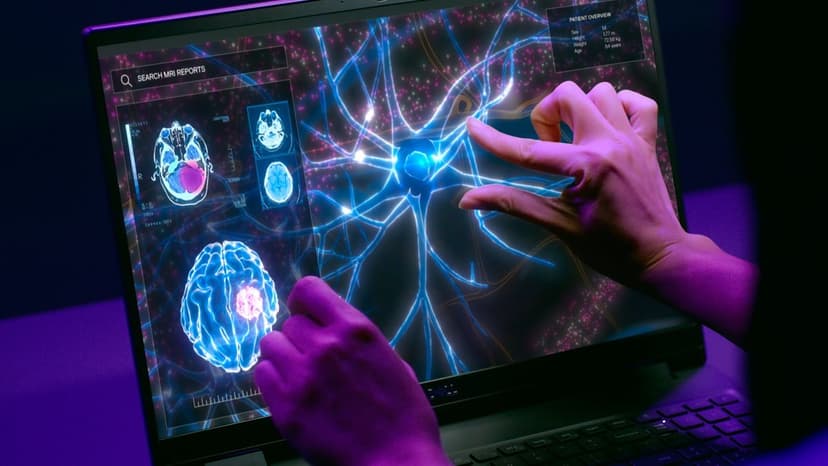
The next generation of personal computers will fundamentally integrate AI, with Neural Processing Units (NPUs) becoming a key feature. Memory (RAM) will emerge as a critical bottleneck, with 32GB likely becoming the new standard for running sophisticated AI models locally.
Routine AI tasks such as drafting emails, summarizing documents, and generating images will increasingly be processed directly on user devices. This shift aims to enhance privacy by reducing the need for data to travel to remote servers, though cloud AI will remain essential for complex computations.
A significant change will be AI assistants proactively asking users for permission before conducting internet searches. This respects user privacy and allows individuals to decide whether to rely on the AI's internal knowledge or external, up-to-date information.
AI's ability to understand personal data will grow, with assistants capable of recalling information from documents, photos, and emails. This localized AI expertise will provide highly personalized assistance without any sensitive data leaving the user's device.
AI tutors are poised to revolutionize education by offering patient, personalized learning experiences tailored to individual student needs. Keeping this sensitive data local is crucial for widespread adoption, especially for families.
An alternative future may involve downloading specialized AI 'experts' for specific tasks, akin to installing apps, rather than relying on a single, massive chatbot. This approach offers efficiency and enhanced privacy for localized AI functions.
Cloud AI will continue to play a vital role as a backup and for handling exceptionally demanding tasks. The future of AI interaction will be characterized by a hybrid approach: local processing for everyday needs and cloud-based solutions for more intensive problems, always with user consent.


