Home / Technology / Fiber Optics: The Longest Cables Undersea
Fiber Optics: The Longest Cables Undersea
22 Nov
Summary
- Fiber optics use light for data, unlike copper's electrical signals.
- The 2Africa cable system is currently the world's longest fiber optic.
- Signal loss limits fiber optic cable length before needing amplifiers.
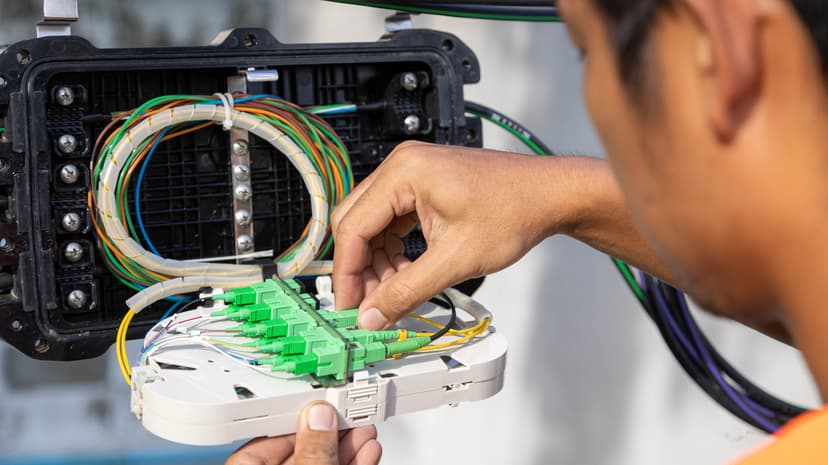
Fiber optic cables are a cornerstone of global internet infrastructure, carrying data signals not only across oceans but also within cities and homes. They represent a significant upgrade in internet speed compared to legacy DSL connections that rely on copper telephone lines.
The 2Africa cable system currently holds the distinction of being the world's longest fiber optic cable. This underwater system connects numerous countries across Africa, Europe, and Asia, surpassing the previous record held by the SEA-ME-WE 3 system.
Fiber optics transmit data as light pulses through glass or plastic strands, utilizing total internal reflection. This method minimizes energy loss and signal deterioration over distances far exceeding copper cables, which are limited to about 100 meters due to resistance and interference.
Despite their efficiency, fiber optic cables do experience signal loss, known as attenuation, caused by absorption and scattering of light. This limits uninterrupted single-mode or multi-mode fiber strands to several kilometers before signal degradation occurs. Bends that are too tight can also cause light leakage in home networks.
For transcontinental distances, such as undersea cables, optical amplifiers are strategically placed to boost the signal. Techniques like multiplexing allow multiple data streams to travel simultaneously over a single fiber strand, ensuring the vast data capacities we rely on.


