Home / Technology / Digital Twins: Revolutionizing Data Center Ops
Digital Twins: Revolutionizing Data Center Ops
4 Nov
Summary
- Digital twins offer risk-free testing for critical data center decisions.
- AI initiatives with poor integration and data management often fail.
- Talent shortages hinder digital twin adoption and AI ROI.
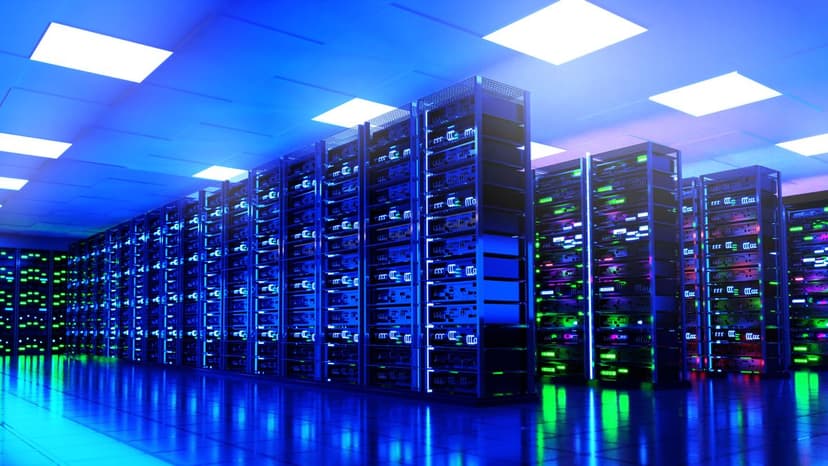
Digital twins are emerging as crucial assets for data centers, moving beyond simulation to reconfigure design, testing, and optimization processes. Operators are leveraging these virtual replicas to mitigate risks, foster innovation, and enhance performance. This technology offers a risk-free environment to test critical infrastructure decisions, a significant advantage in an industry where downtime is costly.
Despite their potential, only 42% of data center decision-makers are actively using digital twins, with many viewing them internally. The industry faces complex challenges, including rapid AI workload growth and sustainability demands. Digital twins provide a 360-degree view, allowing for the simulation of scenarios like IT/OT system interdependencies, which are often siloed in traditional planning. For example, simulating a power failure highlights how unintegrated HVAC systems could lead to thermal shutdowns, demonstrating the need for better dialogue between IT and OT.
Furthermore, the adoption of digital twins is hampered by a lack of specialized talent. Many regions report significant struggles in filling critical roles and retaining staff, making upskilling difficult. This talent gap, coupled with poor system integration and data management, also affects the success of AI initiatives, with only 25% achieving their expected return on investment. These virtual replicas, however, allow for 'test drives' of cooling adjustments, power reconfigurations, and workload migrations, ensuring disaster recovery procedures are robust and SLAs can be met as AI-driven capacity expands.


