
Home / Technology / Data Centers Thirsty: Water Scarcity Threatens Tech Growth
Data Centers Thirsty: Water Scarcity Threatens Tech Growth
3 Jun
Summary
- Water scarcity poses a significant threat to data center development.
- Evaporative cooling uses fresh water to cool servers, consuming billions of gallons.
- Tech companies are implementing water replenishment and recycling strategies.
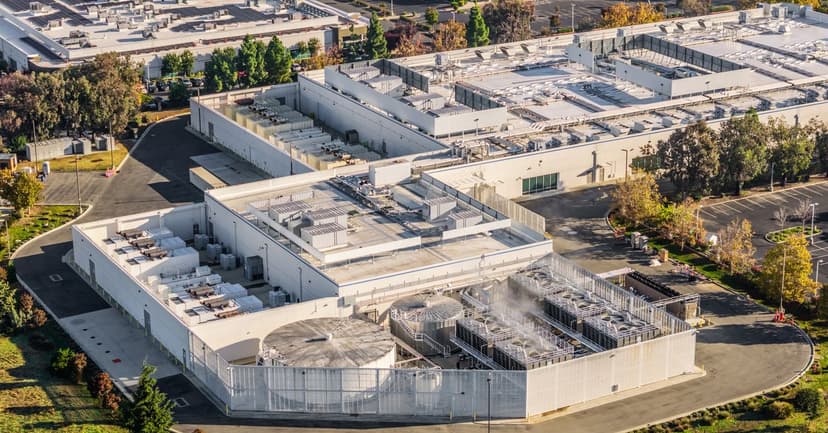
The expansion of data centers faces growing challenges due to water scarcity, a critical resource concern for the tech industry. These facilities require substantial water for cooling server racks, with evaporative cooling systems being particularly water-intensive. Recent predictions suggest a dramatic rise in water consumption by data centers, potentially impacting regions already facing water stress. In response to public apprehension and resource limitations, tech giants are re-evaluating their water strategies. Microsoft, OpenAI, and Oracle are reportedly moving away from evaporative cooling. Google, however, is focusing on a multifaceted approach. The company has pledged to replenish more freshwater than it consumes through investments in local water projects, increase the use of recycled water, and provide annual disclosures of its data center water usage. This strategy acknowledges that water availability varies regionally, necessitating customized cooling solutions. Some research indicates that utilizing evaporative cooling in areas with abundant water can free up significant power, supporting strained electricity grids. Yet, a complete avoidance of water-based cooling could increase reliance on energy-intensive methods, potentially raising carbon emissions and external water use for power generation.
Despite these efforts, challenges persist. Some companies, even those shifting away from water-intensive cooling, anticipate a surge in water usage. Delays and permit revocations, such as Google's halted data center project in Chile due to water concerns, highlight the complexities. Public scrutiny and regulatory measures are seen as vital for driving innovation in designing more efficient data center systems that conserve both water and energy. The industry faces pressure to develop smarter, more sustainable designs in the face of these growing resource constraints and public concerns.
