Home / Technology / Cyborg Cockroaches: Singapore's Newest Recruits
Cyborg Cockroaches: Singapore's Newest Recruits
18 Mar
Summary
- Cyborg cockroaches with robotic backpacks are trained for disaster search.
- Insects can navigate tight spaces better than traditional robots.
- Upgraded devices are designed for infrastructure inspection and pipeline checks.
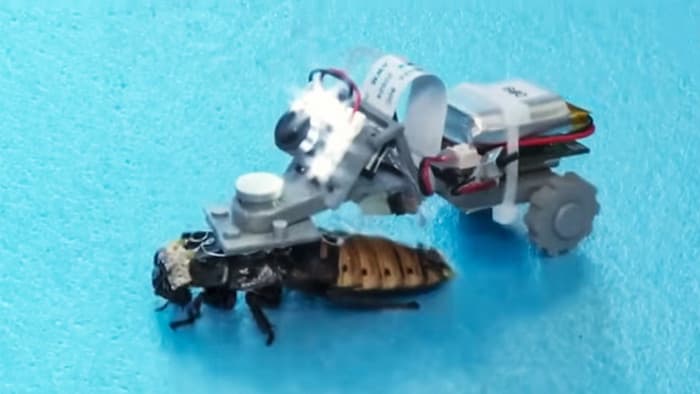
In Singapore, a team at Nanyang Technological University has pioneered the development of cyborg cockroaches, fitting robotic backpacks onto Madagascan hissing cockroaches. These insect-hybrid robots are being trained for critical roles, initially focusing on search and rescue operations in disaster zones, drawing inspiration from their ability to navigate difficult terrain.
The latest iteration of this technology moves beyond emergency response, exploring everyday applications like inspecting aging infrastructure. Professor Hirotaka Sato, a leader in cyborg insect research, is adapting these creatures for tasks such as checking old pipelines, a need amplified by aging infrastructure globally.
These engineered insects offer a significant advantage due to their evolved flexibility and agility, allowing them to traverse confined spaces that conventional robots might struggle with. While initial deployments for disaster response saw limited success, the researchers believe that deploying them in larger numbers, now facilitated by a rapid automated device fusion process, will enhance their effectiveness.
The new devices for infrastructure assessment are designed as wheeled platforms, resembling mini chariots, equipped with enhanced battery life, torches, and cameras. This allows the cockroaches to efficiently survey miles of underground pipes for damage or leaks, a crucial task for maintaining public safety and infrastructure integrity.
While other countries explore similar technologies, including for military reconnaissance, Singapore's program remains committed to peaceful applications. The university plans to pilot the cockroach inspection units within the nation's transport system, monitoring underground pipelines, with the potential for broader adoption worldwide as infrastructure ages.