Home / Technology / China's Chip Leap: Mature Tech Meets New AI
China's Chip Leap: Mature Tech Meets New AI
3 Dec
Summary
- China aims to match Nvidia performance using mature 14nm chips.
- Integration with advanced memory and new architectures is key.
- This strategy seeks to bypass US export controls and cut costs.
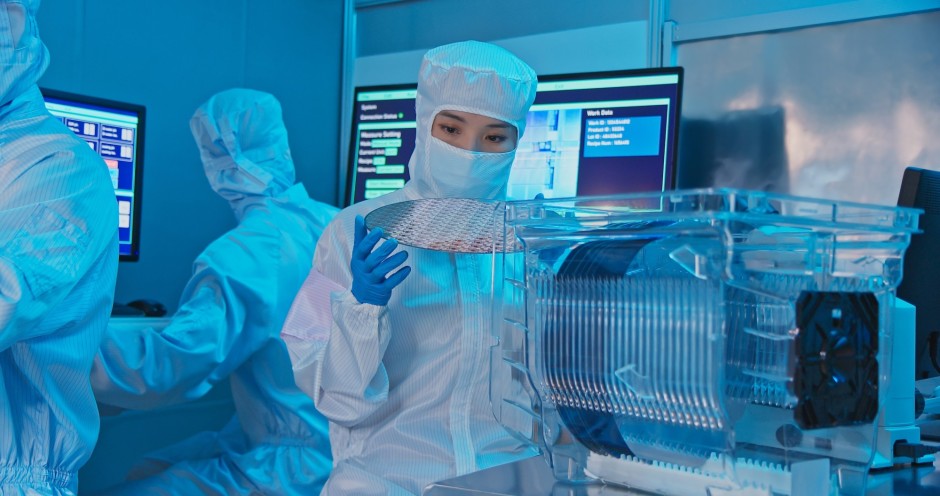
China is significantly accelerating its drive for chip self-sufficiency by integrating mature technologies with novel computing architectures. This strategic move aims to bridge the performance gap with industry leaders like Nvidia, according to prominent industry expert Wei Shaojun. By combining 14-nanometre logic chips with advanced memory and innovative designs, China seeks to challenge the dominance of cutting-edge AI processors.
Wei Shaojun, vice-president of the China Semiconductor Industry Association, detailed a solution involving "software-defined near-memory computing." This approach utilizes 3D hybrid bonding to stack 14nm logic chips alongside 18nm DRAM. Such a configuration could potentially rival Nvidia's 4nm GPUs, the current standard for AI training, while also offering substantial savings in cost and energy usage.
This technological direction aligns with Huawei's strategy of "stacking and clustering" chips to overcome limitations imposed by US export controls. These controls restrict China's access to advanced chip manufacturing. Wei's proposal underscores a commitment to a "fully home-grown supply chain," vital for securing domestic AI computing power amid ongoing technological competition.