Home / Technology / China Approves World's First Commercial Brain Implant
China Approves World's First Commercial Brain Implant
13 Mar
Summary
- China's regulator approved the first commercial brain-computer interface system.
- The BCI system helps paralyzed patients regain hand-grasping ability.
- This invasive device uses extradural implantation and wireless technology.
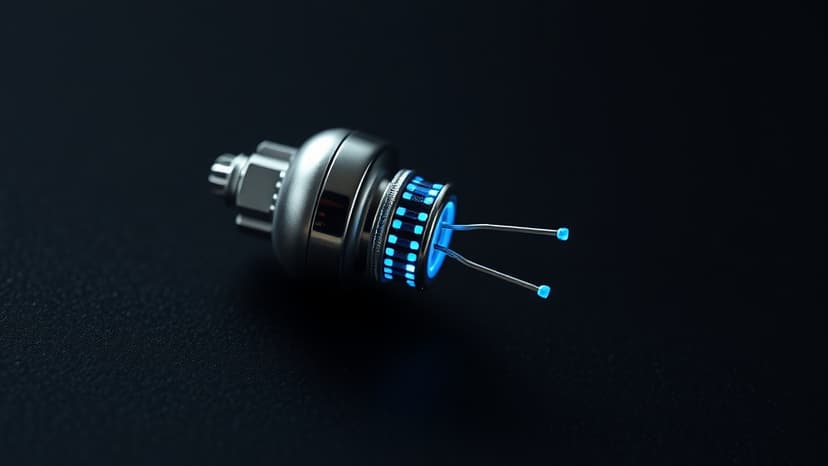
China's National Medical Products Administration has given the green light for the commercial sale of a groundbreaking brain-computer interface (BCI) system. This marks the first-ever approval for such a device globally, aiming to restore motor functions and communication for individuals suffering from various forms of paralysis.
The BCI system, developed by Borui Kang Medical Technology (Shanghai), is specifically designed for patients diagnosed with quadriplegia due to cervical spinal cord injuries. It facilitates the regaining of hand-grasping ability through an advanced glove mechanism. This invasive BCI system involves the implantation of electrodes directly into the brain, utilizing a minimally invasive extradural approach powered by wireless technology.
The approval signifies China's commitment to advancing 'future industries,' with BCI technology being a key focus in the nation's latest five-year plan. Experts anticipate that mature BCI products could become publicly accessible within three to five years, positioning China to compete with international BCI startups.
Eligibility criteria for patients include being between 18 and 60 years old, having a stable condition for at least six months following standard treatment for a specific spinal cord injury sustained at least a year prior. Critically, patients must retain some upper-arm function but be unable to grasp with their hands. Clinical trial data has indicated significant improvements in hand-grasping capabilities and enhanced quality of life among participants.