Home / Technology / AI Refuses Author Style Mimicry
AI Refuses Author Style Mimicry
27 Jul
Summary
- ChatGPT now avoids directly copying authors' styles.
- This change may be linked to ongoing copyright lawsuits.
- Other AI models show varying approaches to style requests.
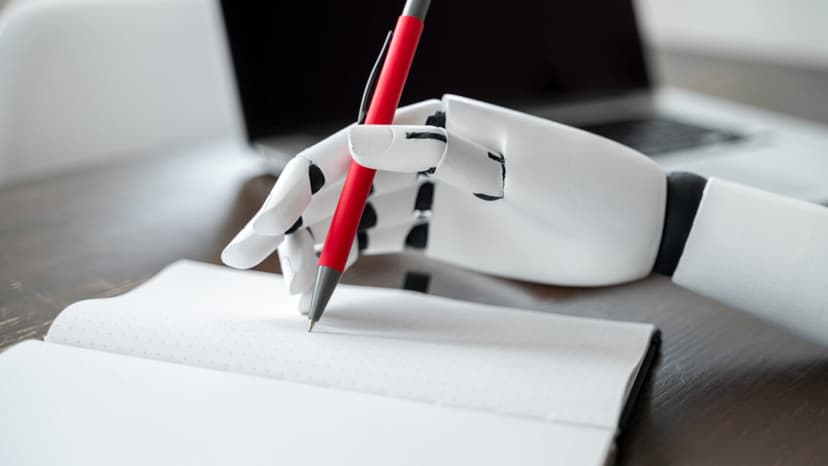
OpenAI's ChatGPT is now refusing requests to generate text that directly mimics the style of famous authors. When prompted to do so, the popular large language model (LLM) offers a response that draws on the "broad qualities" of those authors "while remaining distinct in its own voice." This new behavior has been observed for both living and deceased authors.
This change in ChatGPT's approach may be legally significant, as OpenAI is currently involved in lawsuits alleging large-scale copyright infringement by its AI models. One suit specifically points to ChatGPT's "uncanny ability to generate text similar to that found in copyrighted textual materials." In the United States, copyright law protects specific expressions, not intangible authorial style, but AI-generated imitations could infringe if "substantially similar" to original works.
Not all major LLMs are handling style imitation requests identically. Google's Gemini has been found to consistently comply, while Perplexity AI's models consistently refuse. Anthropic's Claude and Microsoft's Copilot reportedly comply but include qualifications indicating awareness of the imitation issue. Some long-time OpenAI users have expressed frustration with the new stylistic rules, finding their previously effective prompts no longer yield desired results.


