Home / Technology / Brain Blood Flow Wearable Sparks Scientific Skepticism
Brain Blood Flow Wearable Sparks Scientific Skepticism
5 Nov
Summary
- Wearable device claims to monitor brain blood flow for health insights.
- Experts question the scientific validity and clinical usefulness of the device.
- Existing medical tools offer more established methods for brain circulation assessment.
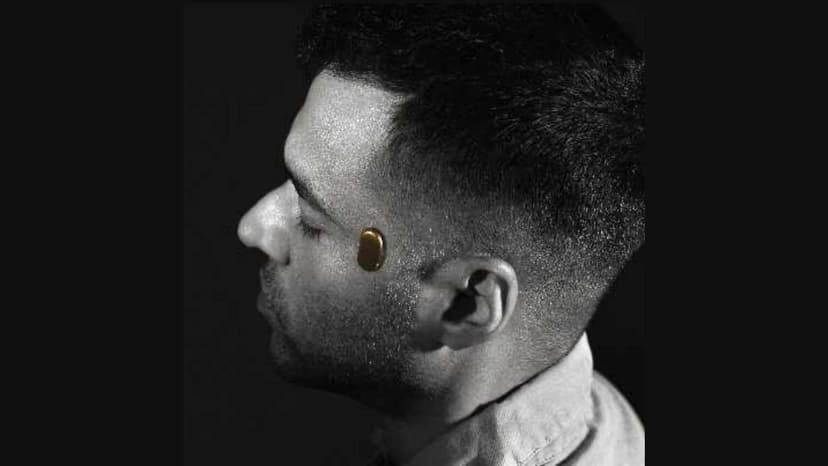
A recently introduced wearable device, Deepinder Goyal's Temple, which purports to monitor brain blood flow and provide insights into brain health and aging, has ignited scientific debate. Dr. Cyriac Abby Philips, known as The Liver Doc, has publicly questioned the device's scientific foundation and its actual utility, citing concerns over its ₹85,000 pre-booking price. The device is linked to the Gravity Ageing Hypothesis, suggesting gravity's impact on circulation contributes to aging. However, experts like Dr. Praveen Gupta emphasize that the brain possesses robust mechanisms to regulate blood supply, and there's no established evidence that everyday gravitational effects cause progressive brain damage or accelerate aging.
Critical questions have been raised about whether a single sensor placed at the temple can truly represent blood flow across the entire complex network of the brain. Dr. Gupta asserts that measurements at one point reflect only local physiological signals, not comprehensive brain circulation, which varies significantly by region and activity. Furthermore, experts argue that cognitive decline and dementia involve multifaceted biological processes beyond blood flow alone. While altered blood flow can be associated with neurological conditions, it cannot single-handedly diagnose cognitive impairment or neurodegeneration. Established medical tools such as Transcranial Doppler, CT angiography, MR angiography, and CT/MRI perfusion are already employed for detailed assessments of cerebral circulation, with each serving specific diagnostic needs. Currently, no established evidence supports the Temple device's ability to diagnose neurological conditions, prevent dementia, or predict aging rates.


