

Home / Technology / BMW's Humanoid Robots: The Future of Factory Work?
BMW's Humanoid Robots: The Future of Factory Work?
20 Apr
Summary
- BMW is deploying adaptable AI humanoid robots in real factory settings.
- These robots utilize 'Physical AI' for decision-making and real-time adaptation.
- The initiative aims to enhance productivity and explore human-robot collaboration.
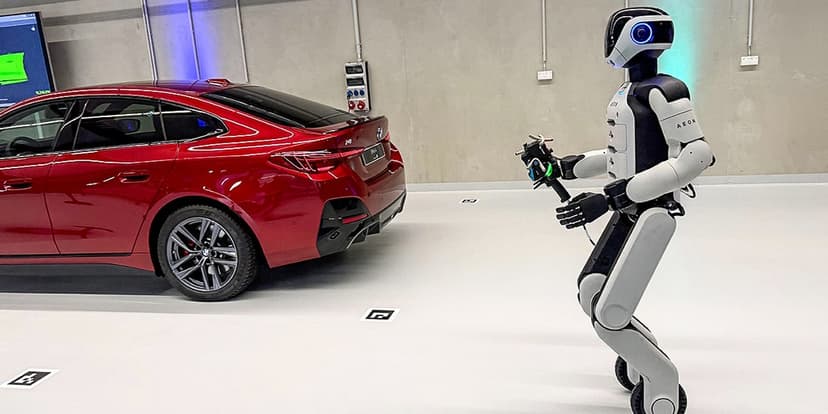
BMW Group is advancing its manufacturing capabilities by integrating advanced humanoid robots into its production environments. Following a successful pilot, the company is deploying AI-powered robots from Hexagon Robotics in its Leipzig, Germany factory, a key hub for electric vehicle production. These AEON robots utilize 'Physical AI,' enabling them to adapt to unpredictable factory conditions and make decisions autonomously.
This initiative represents a significant shift from rigid automation, as the robots are designed to work alongside human employees and utilize existing factory infrastructure. Michael Nikolaides of BMW highlights that this collaboration between engineering and AI enhances global competitiveness. The goal is not to replace workers but to refine AI learning and redefine roles within the factory.
This progression signifies a broader trend of AI entering the physical world, impacting industries from automotive manufacturing to logistics. The increased efficiency and potential cost reductions could influence vehicle pricing, while factory jobs may evolve towards oversight and skilled tasks. BMW's move into real production environments marks a crucial step beyond typical demonstrations for humanoid robotics.
