Home / Technology / Aging Eyes? Your Next Phone Could Be a Tablet
Aging Eyes? Your Next Phone Could Be a Tablet
7 Dec, 2025
Summary
- Presbyopia, the inability to focus up close, affects most people after 40.
- Larger smartphone screens on flagship models aid readability for ageing eyes.
- Accessibility features like font enlargement and text-to-voice are crucial.
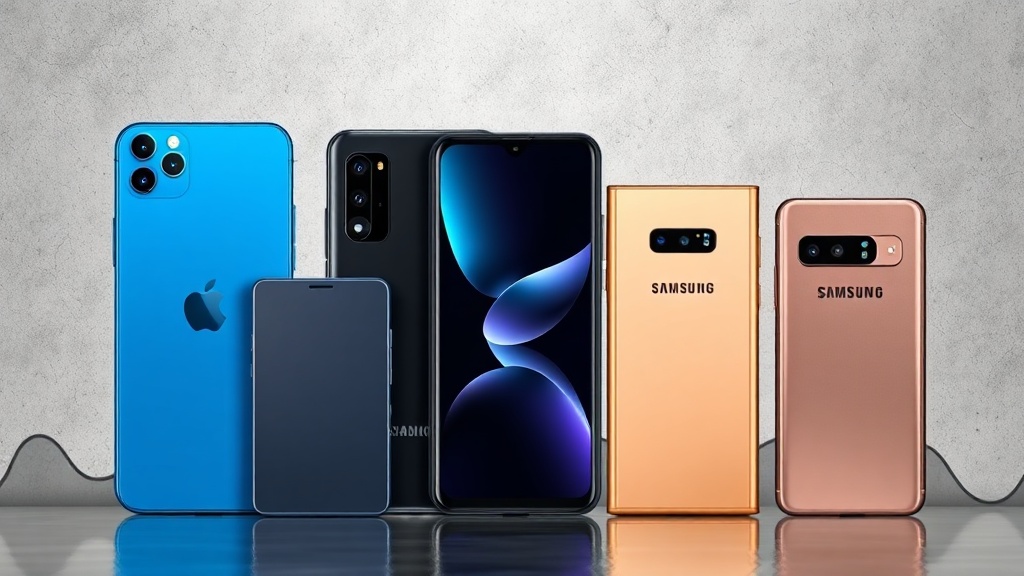
Presbyopia, a natural aging process affecting near vision clarity, typically emerges after age 40. This condition often leads to difficulty reading small text, prompting a search for solutions. Modern smartphones have responded by offering larger display options, including foldable devices that expand to tablet-like sizes, significantly improving readability for those experiencing presbyopia.
Flagship models like the iPhone 17 Pro Max, Samsung Galaxy Z Fold 7, and Pixel 10 Pro Fold have been evaluated for their effectiveness with ageing eyes. The focus has been on visual clarity, readability, and accessibility features rather than standard performance benchmarks. Enhanced text options, such as larger and bolder fonts, along with features like magnifiers and text-to-voice, are paramount.
While larger screens offer immediate benefits, the integration and ease of use of accessibility settings are critical. These features allow users to customize their device for optimal viewing. The choice between iOS and Android often comes down to user preference, as core accessibility functionalities are comparable across both platforms.