Home / Technology / Asana: AI's Essential Context Layer
Asana: AI's Essential Context Layer
27 Jan
Summary
- Asana integrates with Anthropic's Claude, offering AI chatbot workplace capabilities.
- Asana positions itself as a crucial context provider, not an AI model competitor.
- The Work Graph data model grounds AI models in real-world organizational operations.
Asana has integrated nine workplace applications into Anthropic's Claude, creating a "workplace command center." This strategic move positions Asana as a vital context provider for AI models, rather than a direct competitor.
Chief Product Officer Arnab Bose explained that Asana aims to leverage best-in-class AI providers like Anthropic. He emphasized that an AI model's usefulness is limited without organizational context, which Asana's Work Graph data model provides, grounding AI in how businesses actually operate.
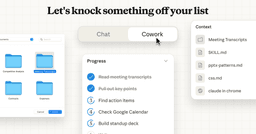
This integration allows users to create and manage Asana projects through conversational AI. Users can direct Claude to build project structures, assign tasks, and receive real-time status updates, all subject to mandatory human approval before any actions are taken within Asana.
Asana is committed to multi-provider AI support, offering integrations with ChatGPT and Google Gemini. This approach ensures Asana remains a neutral platform, enhancing its role as a coordination layer for various AI systems within enterprise workflows.
The integration coincides with a leadership transition at Asana, following co-founder Dustin Moskovitz's retirement. The company is navigating competition by emphasizing its proprietary Work Graph's ability to differentiate it in the AI-driven productivity software market.
Bose envisions a future where AI handles orchestration and task management, while humans retain control over strategic decisions. This hybrid approach balances AI automation with essential human judgment and nuanced decision-making.