

Home / Technology / Apple's Riskiest Bet: From iPod to iPhone Revolution
Apple's Riskiest Bet: From iPod to iPhone Revolution
1 Apr
Summary
- Apple risked its most successful product to create the iPhone.
- The iPhone's development involved immense engineering challenges and long hours.
- Apple underestimated the iPhone's eventual market impact, expecting a niche product.
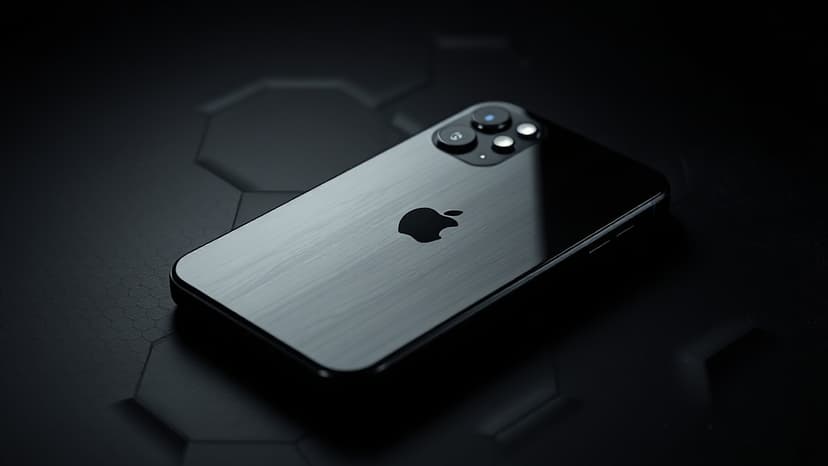
Apple undertook its most complex product development with the iPhone, a strategic pivot born from concerns over the iPod's future in an evolving mobile market. Executives questioned whether consumers would carry both an iPod and a cell phone, prompting a bold decision to innovate.
Developing the iPhone presented unprecedented engineering challenges, requiring components to work together in novel ways. Engineers dedicated roughly two and a half years, with some famously working extensive overtime, to bring the device to fruition. A key innovation was refining the touch screen interface, replacing physical buttons with smooth software interaction.
The initial iPhone prototypes, which resembled an iPod with phone capabilities, proved unsuccessful as they struggled with texting and dialing. Every application required a complete rewrite to adapt to the new touch-based interaction model.
This transition into portable electronics, spurred by the iPod's success, marked a significant shift for Apple, moving beyond its traditional computer-focused lineup. The company had to establish new supply chains and manufacturing processes.
The market's reception to the first iPhone, launched in June 2007, surprised many within Apple. Expectations were for a high-end, niche product, not the global phenomenon it would become, fundamentally reshaping the mobile industry.
