Home / Technology / Apple Unveils First Foldable iPhone
Apple Unveils First Foldable iPhone
8 Sep
Summary
- Apple's most significant iPhone design change is a foldable smartphone.
- Foldable phones, commercially available since 2018, remain a niche market.
- The new foldable iPhone is expected to cost at least $2,000.
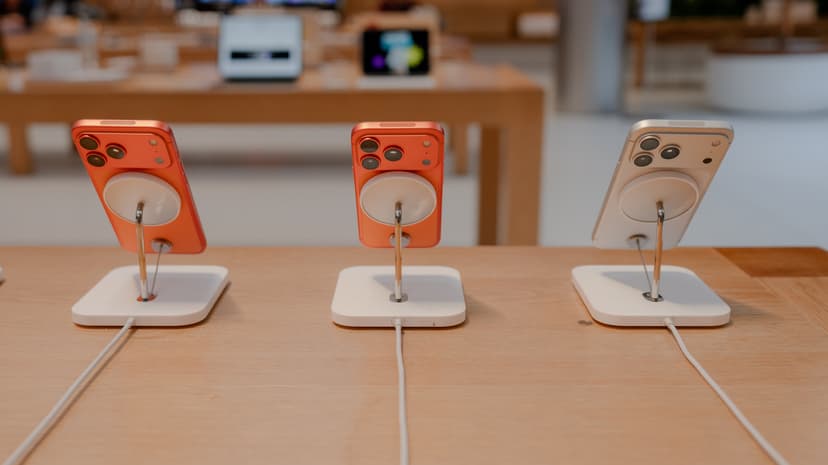
At its recent product event in Cupertino, California, Apple introduced a groundbreaking foldable iPhone, deviating from its long-standing rectangular design. This new device features a bendable display that opens like a book, signaling a major shift for the company.
Foldable smartphones, which first appeared commercially in 2018, currently represent a small fraction of the overall smartphone market. Apple's entry into this space, with an anticipated price point of at least $2,000, challenges its ability to popularize niche technology.
This launch also serves as a crucial test for John Ternus, Apple's chief executive, in revitalizing product innovation and the excitement surrounding Apple's product announcements. Historically, new iPhones were unveiled at grand events, but recent years have seen a trend towards more subdued, recorded demonstrations.
Despite the growing interest in foldables from companies like Samsung, Motorola, and Google, consumer demand has remained modest. In the previous year, shipments of foldable phones accounted for less than 2 percent of all smartphone shipments globally.
Analysts project Apple could ship over 12 million foldables next year, representing approximately 5 percent of its total iPhone shipments. The projected high cost is attributed to the complexity and expense of its components, with potential implications for the usual 'halo effect' seen with other Apple product launches.
Apple has also implemented leasing programs to encourage ongoing device purchases amidst rising costs, potentially exacerbated by a memory chip shortage. The success of the foldable iPhone will hinge on whether consumers prioritize new features, as a recent survey indicated that functionality and device replacement, rather than advanced features, drive most iPhone purchases.


