Home / Technology / Wootz Steel: India's Forgotten Technological Might
Wootz Steel: India's Forgotten Technological Might
21 Aug
Summary
- Indian wootz steel traveled globally, inspiring legendary Damascus blades.
- Mastery over iron and steel gave ancient India significant power.
- Modern science is now rediscovering the secrets of ancient Indian metallurgy.
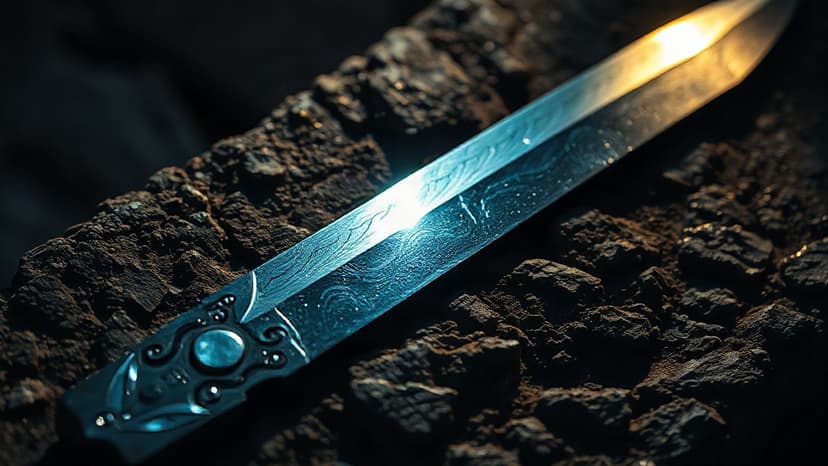
Ancient India possessed a remarkable mastery over iron and steel, a technological prowess that significantly shaped global trade and power dynamics for centuries. This advanced metallurgical skill, particularly the production of crucible steel known as wootz, allowed Indian craftsmen to create blades of exceptional quality.
This famed Indian steel traveled extensively, reaching Arabia and becoming associated with the legendary Damascus blades. The quality of Indian steel was so renowned that "Indian" itself became a mark of excellence, entering poetry and becoming a symbol of strength and reliability. Even historical figures like Alexander the Great received "bright iron" as diplomatic gifts.
The Delhi Iron Pillar, standing for over 1,600 years with minimal corrosion, is a testament to the advanced forging and joining techniques mastered by Indian ironworkers during the Gupta age. Centuries later, European scientists in the 18th century studied Indian wootz, fascinated by its high-carbon properties and the sophisticated knowledge held by Indian craftsmen.
Prime Minister Narendra Modi's recent emphasis on critical minerals echoes this historical legacy. Just as iron was once a strategic resource, today's indispensable materials like lithium and cobalt represent the new frontiers of power. India's past mastery serves as a reminder that controlling essential materials and the knowledge to transform them into technology is key to global advantage.


