Home / Technology / Amazon Leo Eyes Third-Party Antennas
Amazon Leo Eyes Third-Party Antennas
14 Feb
Summary
- Amazon's Leo satellite modem supports up to 1Gbps speeds.
- New modem module allows third-party antennas for Leo network.
- Amazon's Leo system aims to challenge Starlink's market dominance.
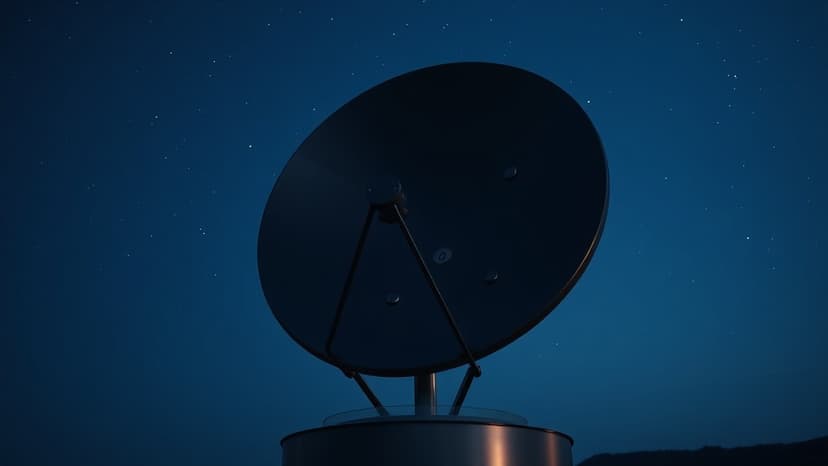
Amazon's satellite internet system, Leo, is making a significant move to allow third-party antennas. The company revealed plans for an "Amazon Leo modem module" designed for government and enterprise clients. This module embeds Leo's network intelligence into antennas built by third-party vendors, offering a departure from traditional integrated modem and antenna designs.
The module supports speeds up to 1Gbps and is intended to increase flexibility in manufacturing and design. By decoupling the modem from the antenna, Amazon anticipates faster innovation cycles, easier adaptation to specialized needs, and improved resilience against component obsolescence. This approach enables tailored antenna systems for specific mission requirements.
Amazon is seeking FCC approval for the modem module to operate in fixed and mobile environments, including on vehicles, planes, and ships. This device will be exclusively sold to government and enterprise customers. The modular strategy aims to foster a third-party ecosystem for Leo, potentially reducing costs and accelerating deployment.
Despite these advancements, Amazon's Leo system faces challenges. It currently operates in a private beta, with approximately 210 satellites in orbit. The company aims to increase this to around 700 by late July 2026 but has requested an extension for an FCC deadline, having spent billions on securing rocket capacity for future launches.
This initiative positions Leo as a direct competitor to Starlink, which already boasts over 9 million users and is expanding into commercial aviation and naval sectors through its reseller network. Both companies are striving to offer gigabit speeds, with SpaceX also planning to achieve this later in 2026.