Home / Technology / Amazon Leo Ramps Up Satellite Launches
Amazon Leo Ramps Up Satellite Launches
24 Mar
Summary
- Amazon plans to more than double its annual launch rate.
- New heavy-lift rockets will carry more satellites per flight.
- An FCC deadline looms for Amazon's 3,200-satellite constellation.
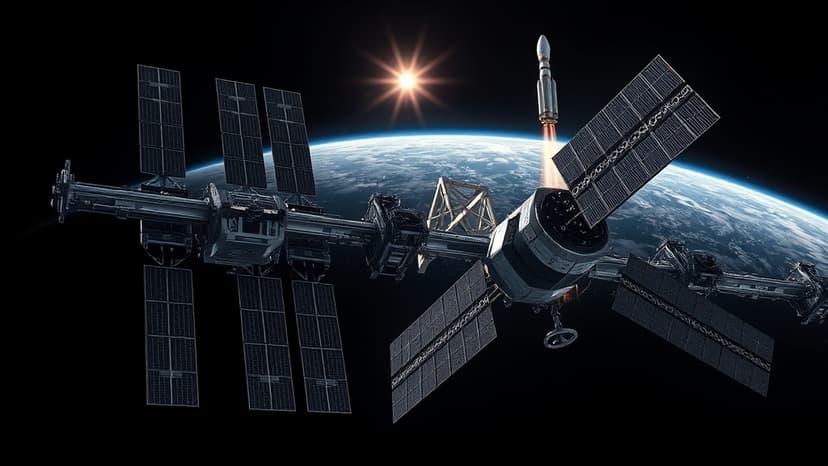
Amazon's Leo satellite internet service is set to significantly increase its launch frequency, aiming to more than double its annual missions by its second year of deployment. The company plans to utilize powerful new rockets such as Blue Origin's New Glenn and United Launch Alliance's Vulcan Centaur. These heavy-lift vehicles are expected to carry substantially more satellites per flight, potentially over 40, compared to current capabilities.
This accelerated deployment strategy is crucial for Amazon as it aims to meet a critical July 30, 2026, FCC deadline. The deadline requires half of its planned 3,200-satellite constellation to be operational. Amazon has projected having approximately 700 satellites in orbit by this date and aims to become the second-largest satellite constellation, initiating broader service rollouts in the US and globally.
Amazon has secured numerous launch contracts, including additional missions on SpaceX's Falcon 9 and firm launches on New Glenn, to support its aggressive manifest. The company is also optimizing payload capacity on existing rockets like the Atlas V, now able to carry 29 Leo satellites per launch. With over 200 Leo satellites already ready, Amazon is positioning Leo for a wider market launch in the latter half of 2026, provided deployment goals are met.