Home / Technology / AI Scams Trick Travelers: Your Vacation Could Be Next
AI Scams Trick Travelers: Your Vacation Could Be Next
24 Feb
Summary
- AI-driven travel scams have surged by 900% in the last year.
- Scammers use AI for flawless messages and fake booking sites.
- Verify bookings independently and report suspected scams.
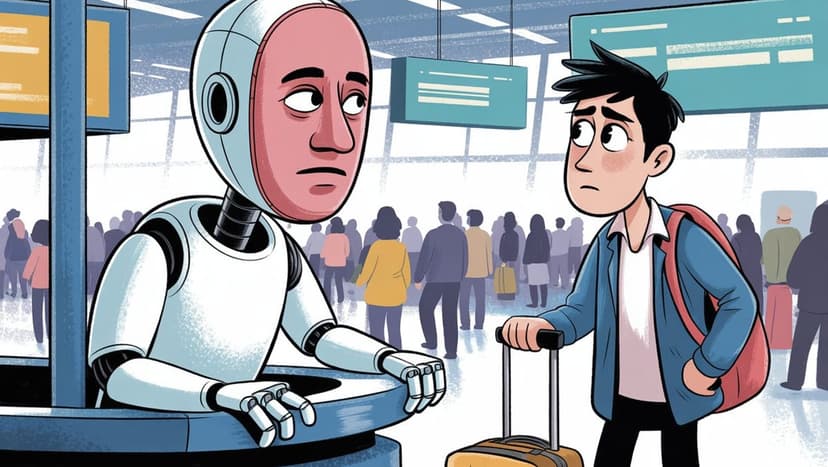
The travel industry faces a new era of fraud as artificial intelligence enables scams that are increasingly sophisticated and difficult to detect. Traditional red flags like poor grammar have disappeared, replaced by AI-generated communications with perfect language and authentic-looking websites. This advancement has led to a reported 900% surge in AI-driven travel scams over the last year.
Scammers leverage AI for various deceptive tactics, including deepfake voice calls that mimic legitimate representatives, AI-generated phishing messages that appear authentic, and entirely fake booking sites complete with stolen images and cloned interfaces. They also create fake reviews and social media personas to lure victims.
Despite these advancements, experts advise travelers to watch for specific warning signs. These include requests for unusual payment methods like cryptocurrency or wire transfers, irregularities in website URLs, and customer service representatives unable to verify booking details. A sense of urgency, such as 'limited-time offers,' is also a common tactic.
Travel companies are responding by implementing advanced security measures such as biometric verification and AI-based scam detection. However, travelers are reminded that a healthy skepticism, independent verification of bookings, and trusting instincts remain crucial defenses. Reporting fraud is vital to protecting others from becoming victims.