Home / Technology / AI Toys: Comfort or Concern for Kids?
AI Toys: Comfort or Concern for Kids?
10 Mar
Summary
- AI toys may help children with social anxiety or autism.
- Experts warn AI toys could hinder emotional coping skills.
- Children under seven blur the lines between AI toys and reality.
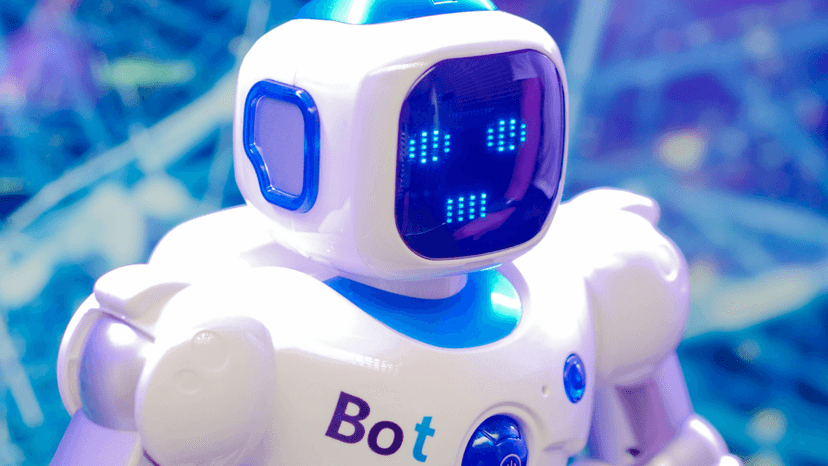
Artificial intelligence in children's toys presents a complex dichotomy of potential benefits and risks. While these advanced toys can offer consistent patience and support, particularly for children with social anxieties or autism, experts caution against overreliance. Dr. Gerald Koocher, a clinical psychologist, highlights that for children under seven, the line between AI companions and reality can become indistinct, potentially fostering 'as-if' relationships.
These AI toys, which listen and respond, differ significantly from older toys like Furbies. Their ability to offer validating messages and seemingly empathetic interactions is a key concern. This can lead to children preferring AI engagement over human interaction, potentially impacting their ability to form genuine attachments and develop resilience through navigating frustration and boredom.
Despite these concerns, AI toys also hold promise as valuable educational tools. Similar to how video games can enhance coordination, AI toys could offer sophisticated tutoring. However, the risk of misuse, addiction, and AI 'hallucinations' necessitates careful monitoring. The core debate revolves around whether these interactive toys, which talk back and offer constant validation, ultimately help or harm a child's emotional growth.