Home / Technology / AI Surveillance Fooled by Patterns
AI Surveillance Fooled by Patterns
13 Aug
Summary
- A cybersecurity professional developed patterns to confuse AI surveillance systems.
- His project aims to create clothing that hinders AI detection.
- The effectiveness of these patterns varies and is still unproven on actual clothing.
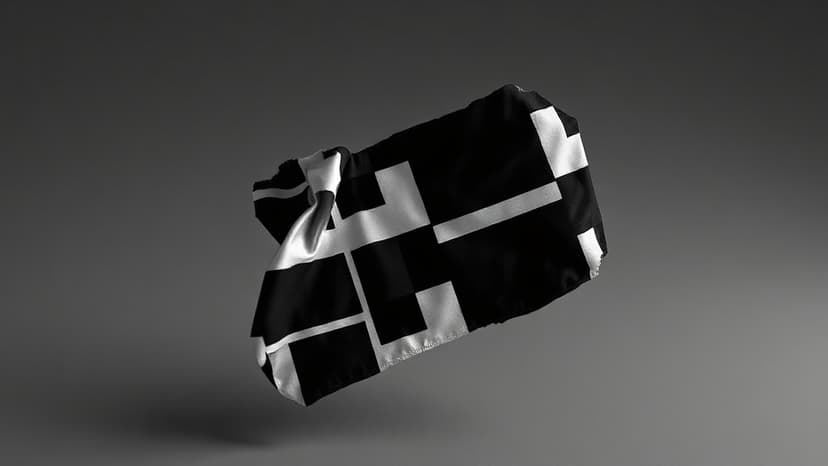
A cybersecurity professional named Bill Swearingen has developed patterns intended to evade AI surveillance. His project, dubbed 'noRecognition,' focuses on creating clothing that makes individuals harder to detect by AI systems.
Swearingen demonstrated how a bizarre black-and-white pattern could cause a person-detection system to fail, lowering its confidence score significantly. This targets the initial step in surveillance, preventing further identification if a person is not detected.
The patterns are generated using a specialized program that bombards AI models with distorted images. Successful designs are refined through an automated process, similar to selective breeding, to maximize their effectiveness against multiple detection models.
However, the efficacy of these patterns is not guaranteed. Some designs that worked during development failed when tested on new individuals, highlighting the variability in AI detection. Furthermore, patterns may only be effective until camera software is updated to recognize them.
Currently, the concept of 'worn garments' remains unproven. The successful demonstrations involved rigid panels, not actual clothing which is subject to draping, folding, and environmental factors. Swearingen is seeking funding to test patterns on fabric and wearable items.


