Home / Technology / AI Photos: Real or Fake?
AI Photos: Real or Fake?
28 Feb
Summary
- Generative AI can now add elements to photos, not just remove them.
- Tools may worsen mental health and self-image issues for young adults.
- Authenticity is crucial for well-being in the digital age.
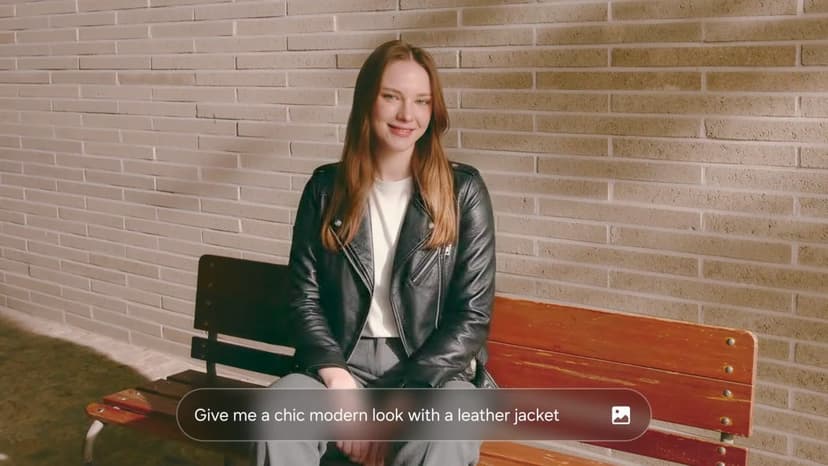
New generative AI photo editing tools, such as Samsung's Photo Assist, now enable users to add elements to images, not just erase them. This capability extends beyond simple edits, allowing for the manipulation of significant aspects of a photograph, such as changing clothing or adding non-existent subjects.
The expansion of these AI tools raises significant concerns regarding the authenticity of digital content and its potential impact on mental health. Studies indicate that the curated and often digitally enhanced portrayals on social media can lead to unrealistic expectations for bodies and lifestyles, especially affecting teenagers and young adults.
These advanced editing features intensify the gap between reality and online presentations. While minor edits like filters have long existed, the ability to fundamentally alter images fuels a competition for creating "impossible" ideal representations. Companies developing these tools have yet to fully address the societal consequences.
The increasing ease of image manipulation can foster feelings of inadequacy and worthlessness. Experts suggest that reducing social media use can improve self-perception, and fostering a digital environment that values authenticity over perfection is crucial for mitigating negative impacts.