Home / Technology / AI's Trillion-Dollar Infrastructure Race
AI's Trillion-Dollar Infrastructure Race
1 Mar
Summary
- Nvidia CEO estimates $3-4 trillion to be spent on AI infrastructure by 2030.
- Microsoft and OpenAI partnership evolved from exclusive cloud to broader terms.
- Meta plans $600 billion in US infrastructure spending through 2028.
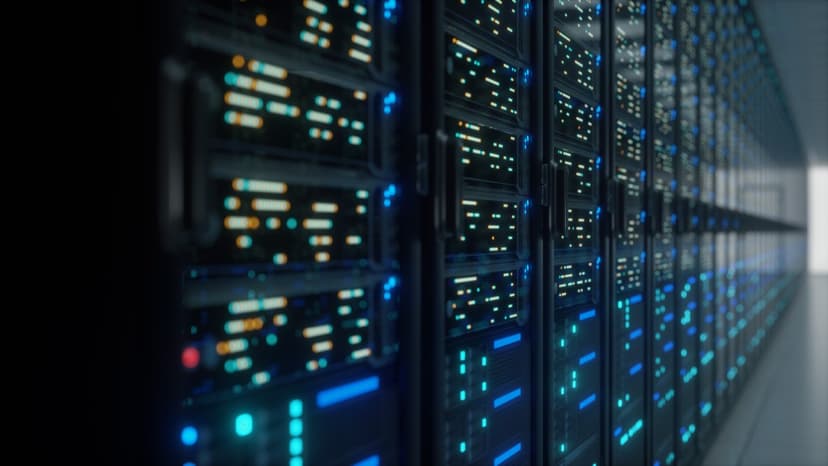
The burgeoning field of artificial intelligence is fueling a massive global race to develop the necessary infrastructure, with projections estimating between $3 trillion and $4 trillion in spending by the end of the decade.
Microsoft's initial $1 billion investment in OpenAI in 2019 marked a significant early deal, establishing Microsoft as OpenAI's exclusive cloud provider. This relationship has since evolved, with OpenAI now having the flexibility to partner with other providers.
Other significant collaborations include Anthropic's $8 billion investment from Amazon and Google Cloud's partnerships with smaller AI firms. OpenAI itself secured a substantial $100 billion investment from Nvidia.
Oracle has emerged as a key player, announcing a $30 billion cloud services deal with OpenAI in June 2025, followed by a five-year, $300 billion compute power agreement starting in 2027.
Nvidia, a primary GPU supplier, is reinvesting its earnings through strategic investments, including a stake in Intel and a $100 billion GPU-for-stock deal with OpenAI.
Meta plans to invest $600 billion in U.S. infrastructure by the end of 2028, including the development of two large data centers, Hyperion in Louisiana and Prometheus in Ohio.
Companies are facing environmental challenges, with some data centers, like xAI's in Tennessee, contributing to air pollution.
The "Stargate" project, a $500 billion joint venture involving SoftBank, OpenAI, and Oracle, aims to build AI infrastructure in the U.S., though it has faced some doubts regarding funding and consensus.
Capital expenditures for data centers are soaring, with Amazon projecting $200 billion in 2026 spending, followed closely by Google and Meta, collectively planning nearly $700 billion for 2026 alone.
This immense spending, often financed by significant debt, is increasing investor nervousness, though tech companies assert its necessity for future growth.