Home / Technology / AI Clones: Hollywood's New Legal Battleground
AI Clones: Hollywood's New Legal Battleground
21 Nov
Summary
- AI allows easy reproduction of likeness, voice, and performance.
- Existing laws on copyright and contracts can apply to AI replicas.
- The NO FAKES ACT framework emphasizes control, consent, and compensation.
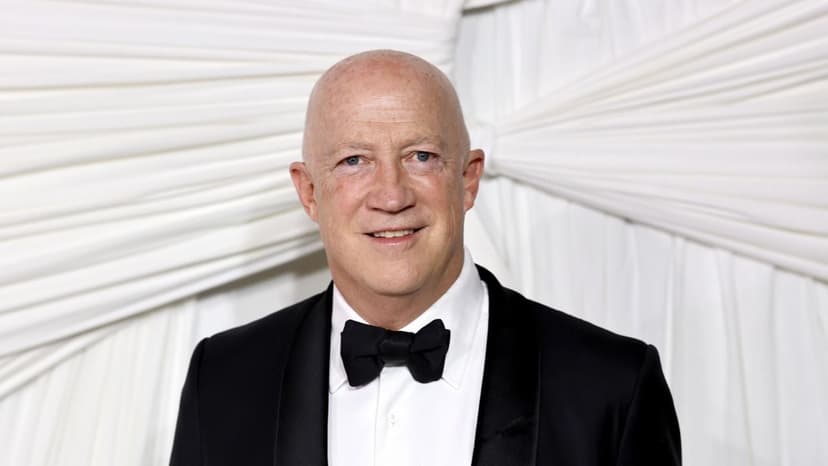
Generative AI presents a growing challenge in the entertainment industry, enabling easy reproduction of individuals' appearances, voices, and performances, which could lead to exploitation. Examples include AI-generated likenesses in advertisements and voice clones created from research recordings.
However, the solution may not require entirely new laws. Experts suggest that existing legal principles governing copyright, contracts, and licensing can be adapted for AI-generated replicas. The focus is on establishing a consistent legal standard for digital likenesses.
The NO FAKES ACT framework is built on three core tenets: control, consent, and compensation. This approach would grant individuals the right to authorize or reject the use of their digital likenesses and mandate that companies negotiate and pay for authorized commercial applications.
This proposed legislation has garnered support from a broad coalition of entertainment and technology organizations, including SAG-AFTRA, the Motion Picture Association, IBM, Google, and OpenAI. The industry is distinguishing between opposing AI technology itself and opposing its unauthorized commercial use.
Artists are already engaging in voluntary licensing agreements with AI companies, demonstrating how the technology can be integrated without creators losing ownership of their identities. The ongoing dispute is framed as a matter of permission, not a rejection of technological advancement. Hollywood has historically adapted to new media, such as photography and sound recordings, by expanding copyright protections.
As the entertainment sector navigates its relationship with AI, a fundamental principle is being advocated: the ability to digitally recreate a person does not inherently grant the right to do so without permission. Congress is being urged to establish clear guidelines on this matter.


