Home / Technology / AI's New Reality: Photos Too Real to Tell
AI's New Reality: Photos Too Real to Tell
5 Dec
Summary
- AI generates hyper-realistic images mimicking phone camera quality.
- New AI model connects to Google Search for real-world context.
- AI is now adept at embedding subtle, contextually relevant details.
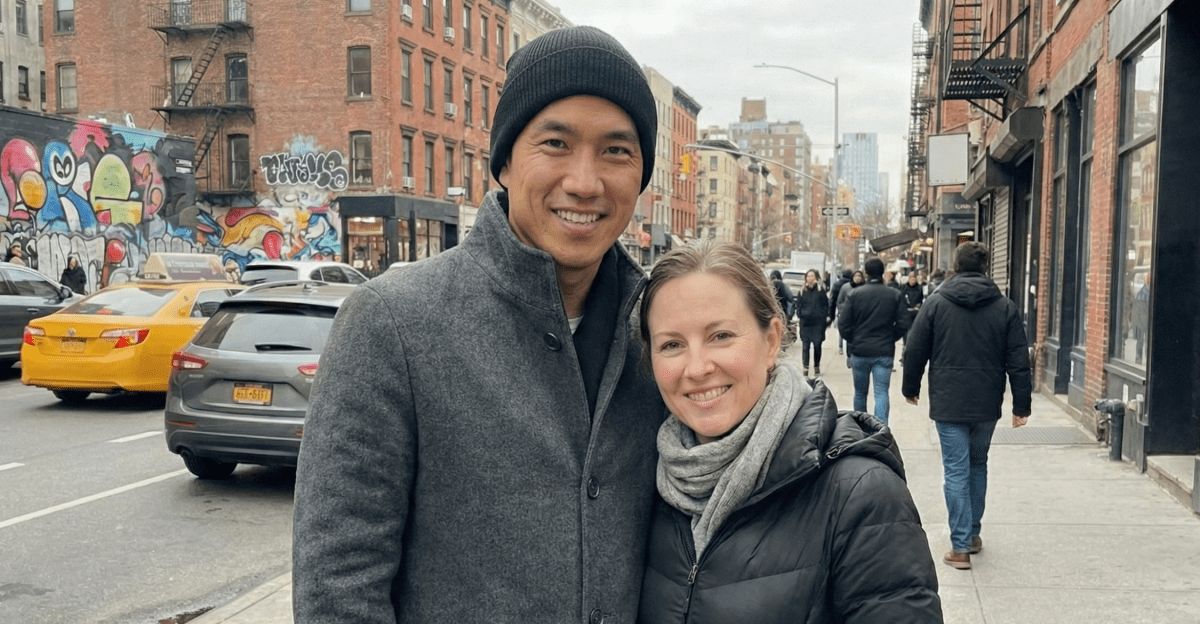
Google's new AI model, Nano Banana Pro, is generating images so realistic they are difficult to distinguish from actual photographs taken with a phone. The AI mimics the visual cues of smartphone photography, such as specific sharpening techniques and noise, making its output appear authentic. This advancement marks a significant leap in AI image generation capabilities.
A key improvement in Nano Banana Pro is its integration with Google Search. This allows the AI to access real-world data, enabling it to add contextually appropriate elements to images without explicit prompting. For instance, it can embed historical details or even watermarks relevant to specific scenarios, enhancing the believability of its creations.
The increased realism and contextual accuracy raise concerns about the ease with which AI-generated images can now deceive viewers. The AI's ability to replicate subtle details, like logos and watermarks, means that distinguishing between real and AI-generated content is becoming increasingly challenging, suggesting we are entering an era where visual evidence requires deeper scrutiny.