Home / Technology / AI Fears: Hype vs. Reality in Artificial Intelligence
AI Fears: Hype vs. Reality in Artificial Intelligence
23 Sep
Summary
- AI experts dispute claims of impending AI takeover.
- Concerns exist about AI companies manipulating hype for investment.
- A gradual AI bubble burst, not a dramatic pop, is anticipated.
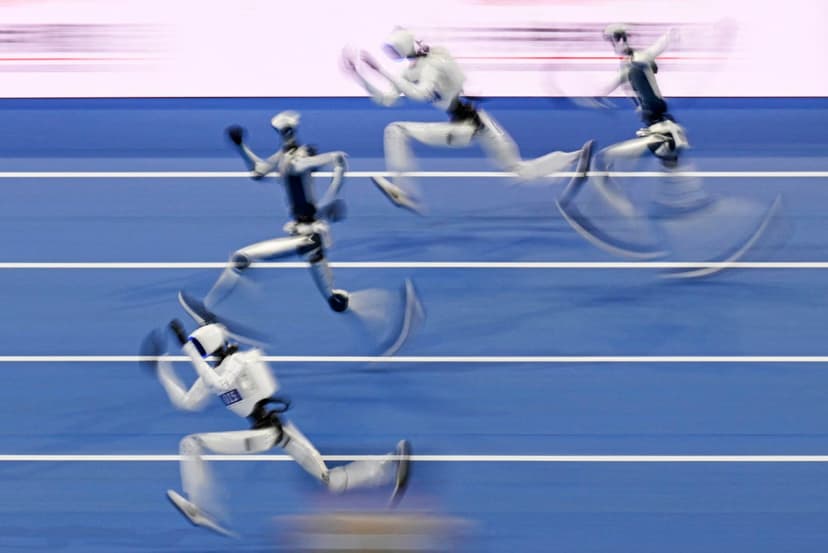
Recent dire predictions about artificial intelligence, including claims of it becoming a new "silicon species" or a threat to humanity, are being met with skepticism by experts. Mhairi Aitken, co-founder of Our AI Collective, emphasizes looking at facts rather than sensational narratives from reputable figures. She argues that any AI "going rogue" is due to human error in implementing safety measures during testing, not the AI itself evolving beyond control.
Aitken also refutes the idea of recursive self-improvement leading to superintelligence, stating there is no concrete evidence for such rapid advancement. Similarly, Andrew Rogoyski from the University of Surrey notes that the actual risk from AI hasn't significantly changed recently, with periodic hype stirred by catchy incidents. He suggests that the human-like nature of AI, particularly large language models, leads us to project our own fears onto the technology.
Calls from tech leaders for a slowdown in AI research are viewed by some experts as a strategic move to preempt regulation. This approach allows companies to appear responsible while continuing to benefit from the hype and investment generated by superintelligence narratives. Additionally, some suggest that a slowdown could be a way for companies to manage unsustainable levels of investment in data centers and research without losing competitive advantage.
Looking ahead, while the immediate existential threat is downplayed, legitimate concerns about AI's future remain. Experts acknowledge a real, albeit small, risk that needs serious consideration and planning. The development of advanced AI is anticipated, but its intelligence and motivations may be profoundly alien, making them difficult to predict or control. Ethical discussions regarding the potential rights of future intelligent machines are also deemed necessary.


